










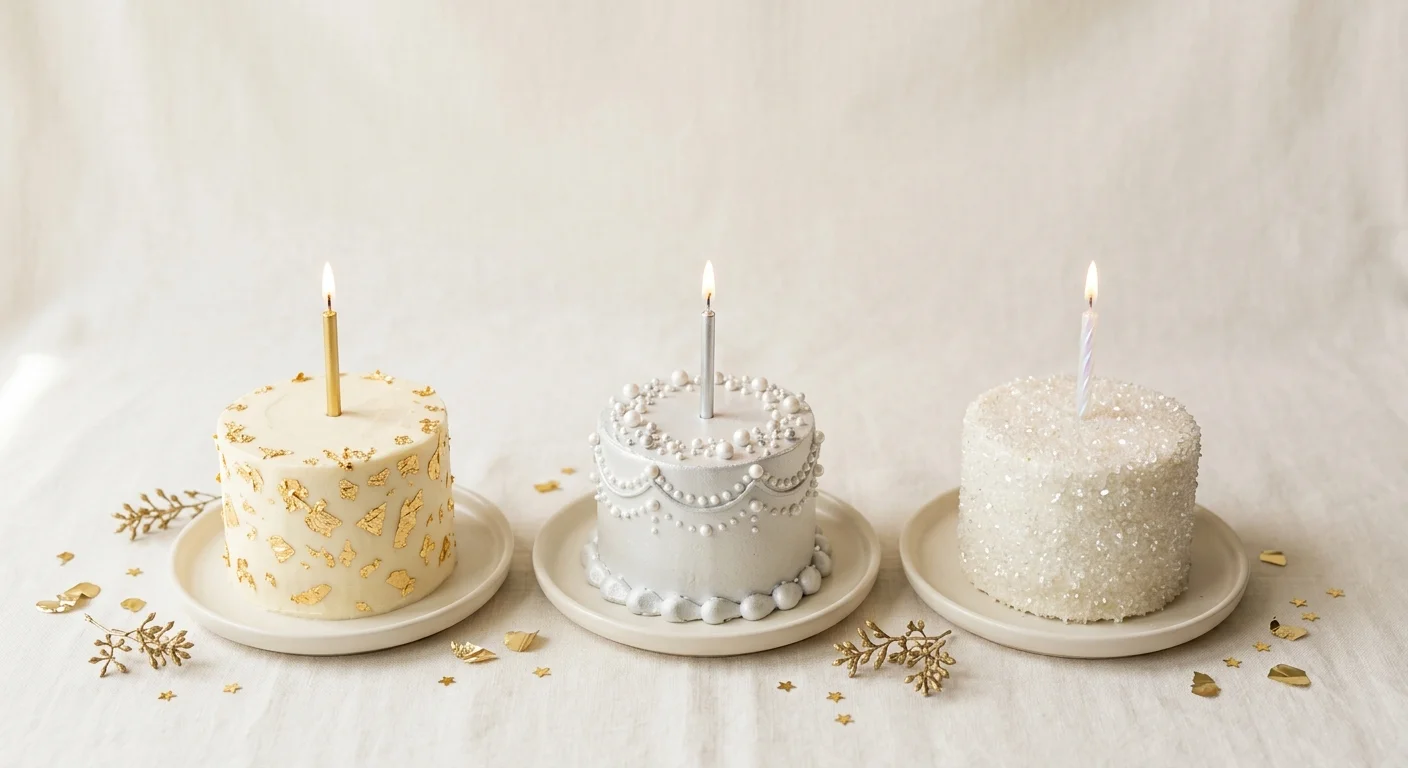
Most birthdays come and go with a cake and a few candles, but a handful carry extra meaning. A golden birthday, a platinum birthday and a diamond birthday are three names for milestone birthdays that people like to celebrate in a bigger way.
A golden birthday is when your age matches the day of the month you were born. A platinum birthday is most often described as the year your age matches the last two digits of your birth year, though some people use the term for a 70th birthday. A diamond birthday is usually linked to turning 60 or 75. Only the golden birthday has a widely agreed definition, so the other two can mean slightly different things depending on who you ask.
What Is a Golden Birthday?
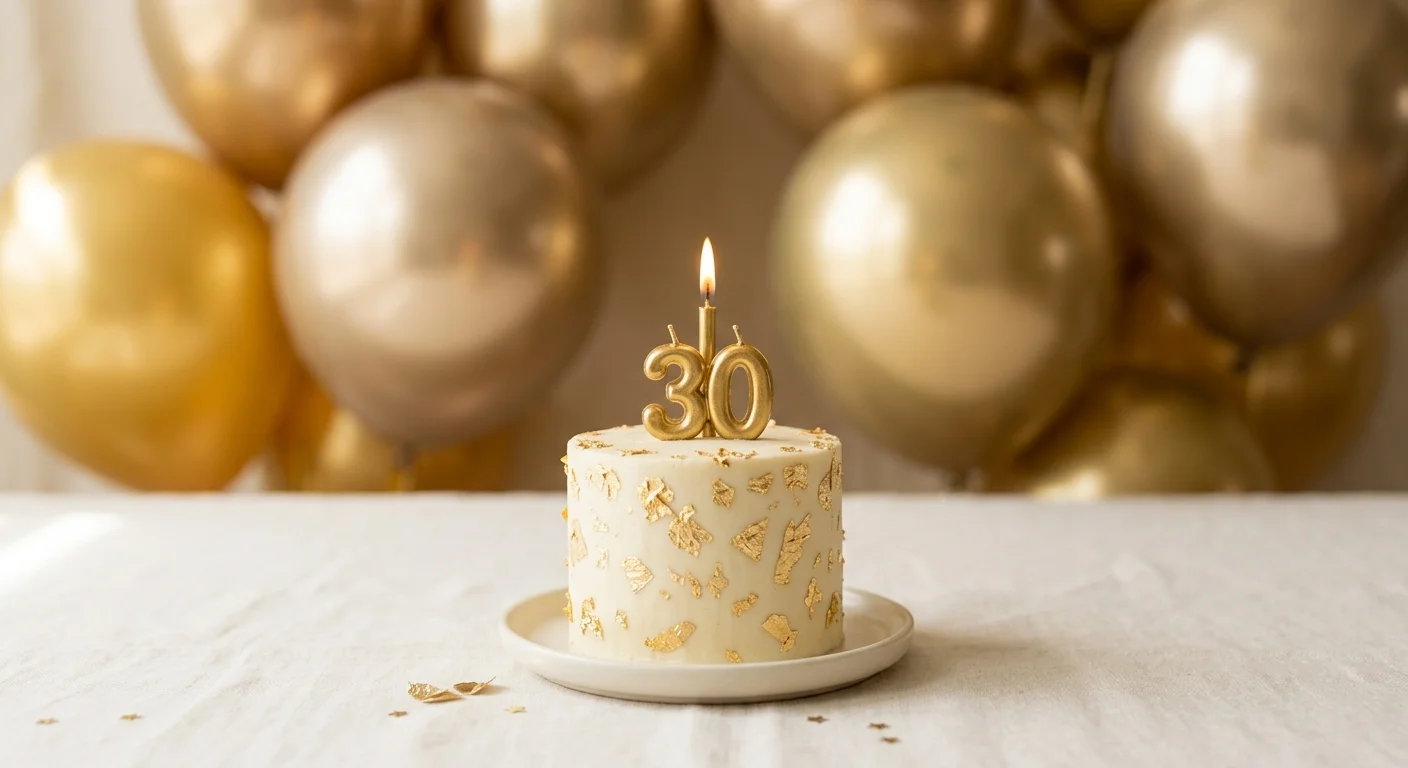
A golden birthday is the birthday when you turn the same age as the day of the month you were born. If you were born on March 15, your golden birthday is your 15th. If you were born on July 25, it is your 25th, and if you were born on December 31, it is your 31st. The rule is simple: your golden birthday age equals your birth date.
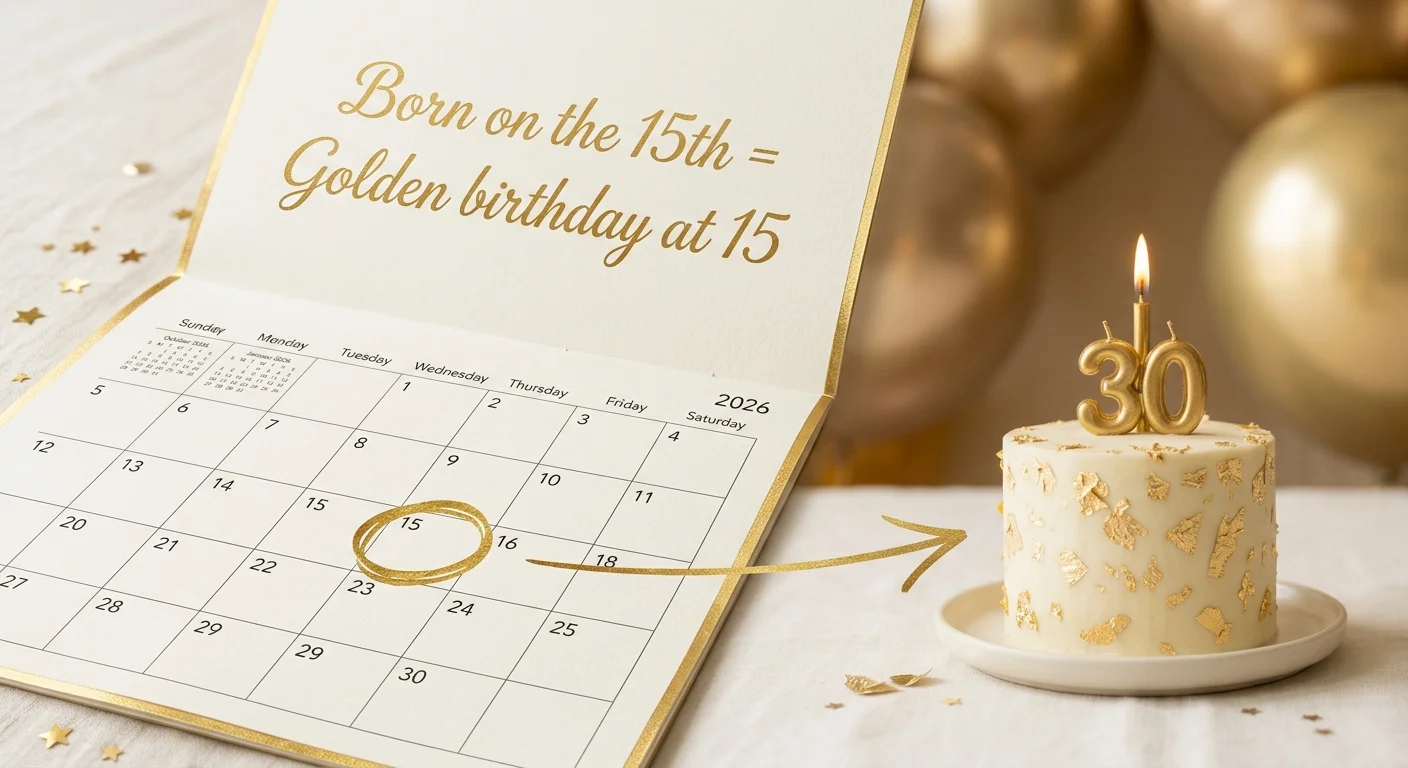
Because a month has at most 31 days, a golden birthday always falls somewhere between your 1st and 31st birthdays. Someone born on the 1st celebrates it as a baby, while someone born on the 31st has to wait until they are 31. Everyone has exactly one, since your age can only match your birth date once.
You may also hear it called a champagne birthday or a lucky birthday. There is no well-documented origin for the name, but gold has long stood for value and celebration, which makes it a natural fit for a birthday that only comes around once. A small number of people also use “golden birthday” for a 50th birthday, borrowing from the golden wedding anniversary, but the age-matches-date meaning is by far the most common.


What Is a Platinum Birthday?
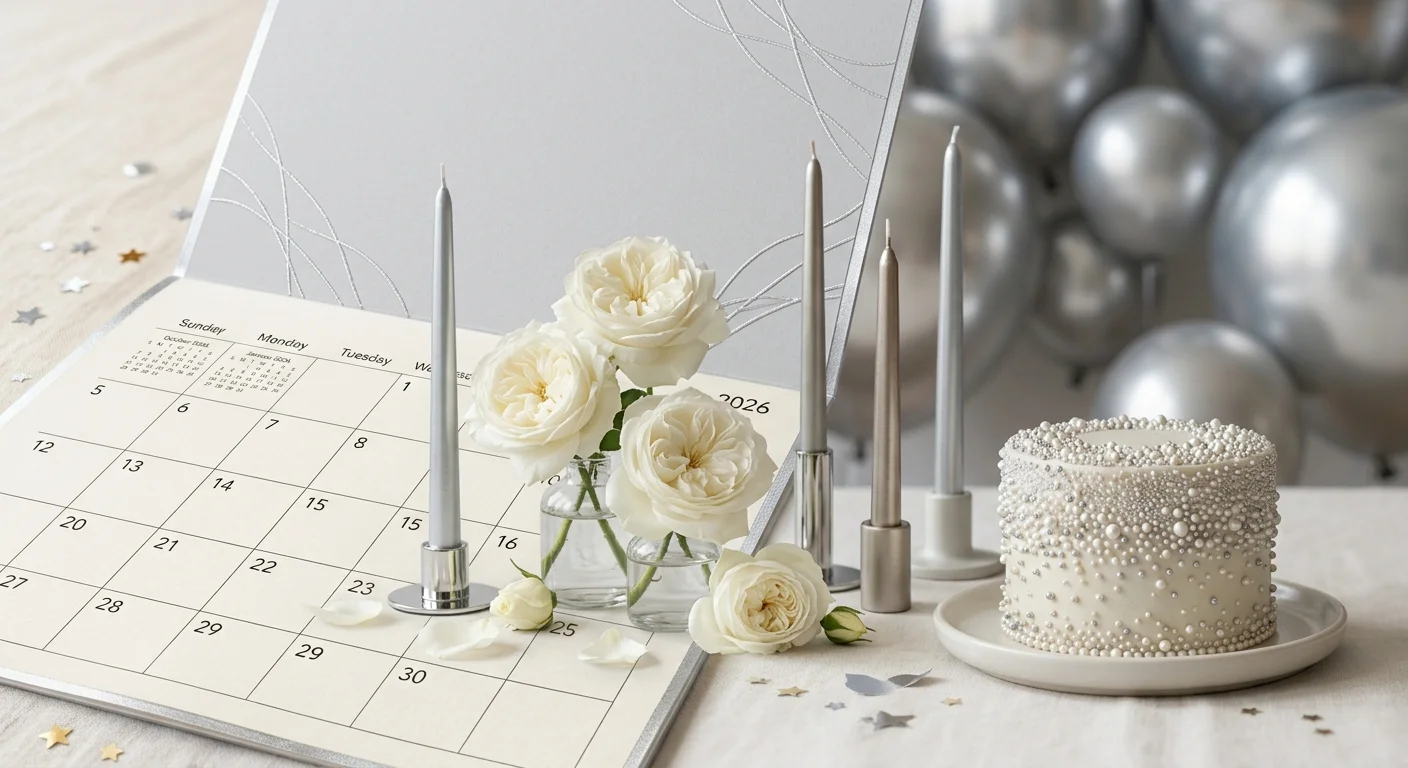
A platinum birthday has no single official definition. The version you will see most often online says it happens when your age matches the last two digits of your birth year. Someone born in 1962 had their platinum birthday at 62, in 2024. Someone born in 2004 had it at 4, in 2008. Some websites describe this as a reverse golden birthday, because the birth year decides the age instead of the birth date.
This definition has a practical catch. For anyone born between 1970 and 1999, the platinum birthday would land somewhere between age 70 and 99, which means many people will never reach it. That is part of why the term is seen as rare, and also why some people use it differently. A second common meaning ties platinum to the 70th birthday, following the tradition where 70 years is marked as a platinum anniversary or jubilee.
If you plan to write or talk about a platinum birthday, it helps to say which meaning you are using, since a friend or relative may have the other one in mind.
What Is a Diamond Birthday?

A diamond birthday is a milestone birthday that is usually tied to age rather than to a calculation. The most common ages are 60 and 75. Both come from wedding anniversary traditions, where the diamond anniversary is marked at 60 years in many traditional lists, and at 75 years in others.
Diamonds stand for strength, rarity and something that lasts, so the name suits a birthday that celebrates a long life. Some sources use “diamond birthday” interchangeably with “platinum birthday” for the age-matches-birth-year idea, which is another reason the term is not fixed.
Unlike a golden birthday, a diamond birthday is symbolic. The focus is less on the number and more on gathering the people who have been part of someone’s life and celebrating what those years have meant.
Golden vs Platinum vs Diamond Birthday
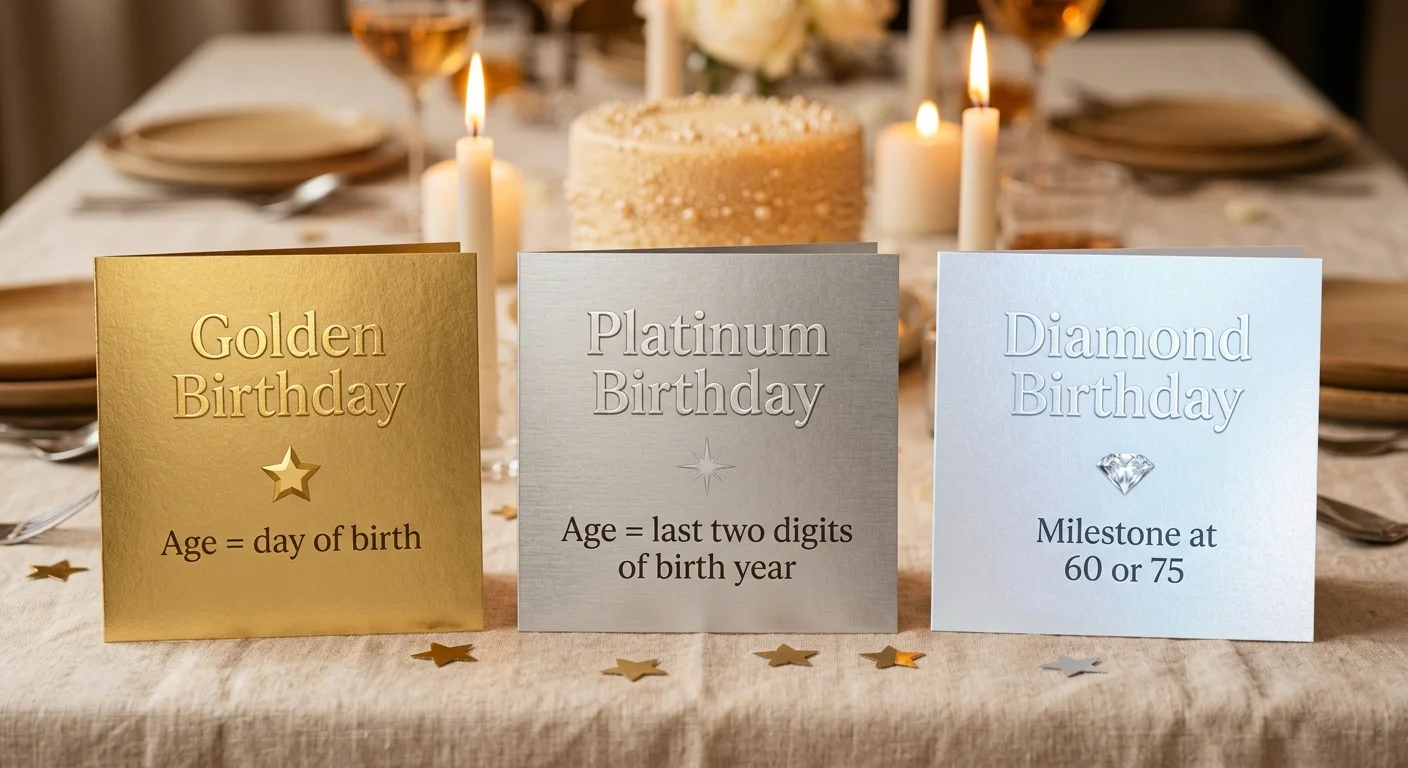
| Birthday | Most common meaning | Other meanings you may see |
|---|---|---|
| Golden birthday | Your age matches the day of the month you were born | The 50th birthday |
| Platinum birthday | Your age matches the last two digits of your birth year | The 70th birthday |
| Diamond birthday | A milestone birthday at 60 or 75 | Same as platinum birthday |
Because these terms are traditions rather than official rules, families and cultures use them differently, and it is perfectly fine to pick the meaning that suits your celebration.
How to Celebrate a Golden Birthday

A golden birthday is usually celebrated with a gold theme, and since it only happens once, many people want it to feel a little more special than a regular party. Gold balloons, gold candles, metallic table decorations and a gold-frosted cake are the classic choices. Younger kids often love a themed party with matching decorations, while adults tend to prefer an elegant dinner, a weekend away or a night out with close friends.
Gifts do not need to be expensive. Personalized jewelry, engraved keepsakes, a photo album or a memory book all work well, and so does an experience such as a special dinner or a trip. The best golden birthday gifts are usually the ones that create a memory rather than just fill a shelf.
Photos matter too, because you will only get one golden birthday. Gold outfits, balloons shaped like the birthday number, a display of photos from childhood to now, and a family portrait are all easy ways to capture the day.
How to Celebrate a Platinum or Diamond Birthday
Platinum and diamond birthdays are often milestone events for older ages, so the celebrations tend to be warmer and more reflective. For a platinum birthday, a formal dinner, a family gathering or a video of messages from friends and relatives are all good fits. Silver, white and soft metallic colors suit the name without feeling too flashy.
A diamond birthday is a good moment to honor someone’s life story. A family reunion, a slideshow of old photographs, a surprise gathering with several generations together, or a handwritten memory book from loved ones can mean far more than expensive decorations. For milestone birthdays like these, stories and shared memories usually end up being the best gifts.
Frequently Asked Questions
What age is a golden birthday?
A golden birthday is the birthday when your age matches the day of the month you were born. If you were born on the 20th, your golden birthday is when you turn 20.
What is a platinum birthday?
A platinum birthday is most commonly defined as the birthday when your age matches the last two digits of your birth year. Some people also use the term for a 70th birthday, so the meaning can vary.
What is a diamond birthday?
A diamond birthday is a milestone birthday that is usually linked to turning 60 or 75, based on diamond anniversary traditions. The exact meaning depends on the tradition being followed.
Can you have more than one golden birthday?
No. Your age can only match your birth date once, so you get one golden birthday. If you were born on the 18th, it happens when you turn 18 and does not repeat.
Is a golden birthday the same as a champagne birthday?
Yes. Champagne birthday is another name for a golden birthday, and both mean the birthday when your age matches the day of the month you were born.
Final Thoughts
Golden, platinum and diamond birthdays all share one idea: some birthdays deserve a little extra celebration. The golden birthday is the clearest of the three, while platinum and diamond have a few different meanings depending on the source. Whichever definition you go with, the best way to mark the day is simple. Gather the people you care about and make a memory worth keeping.
