










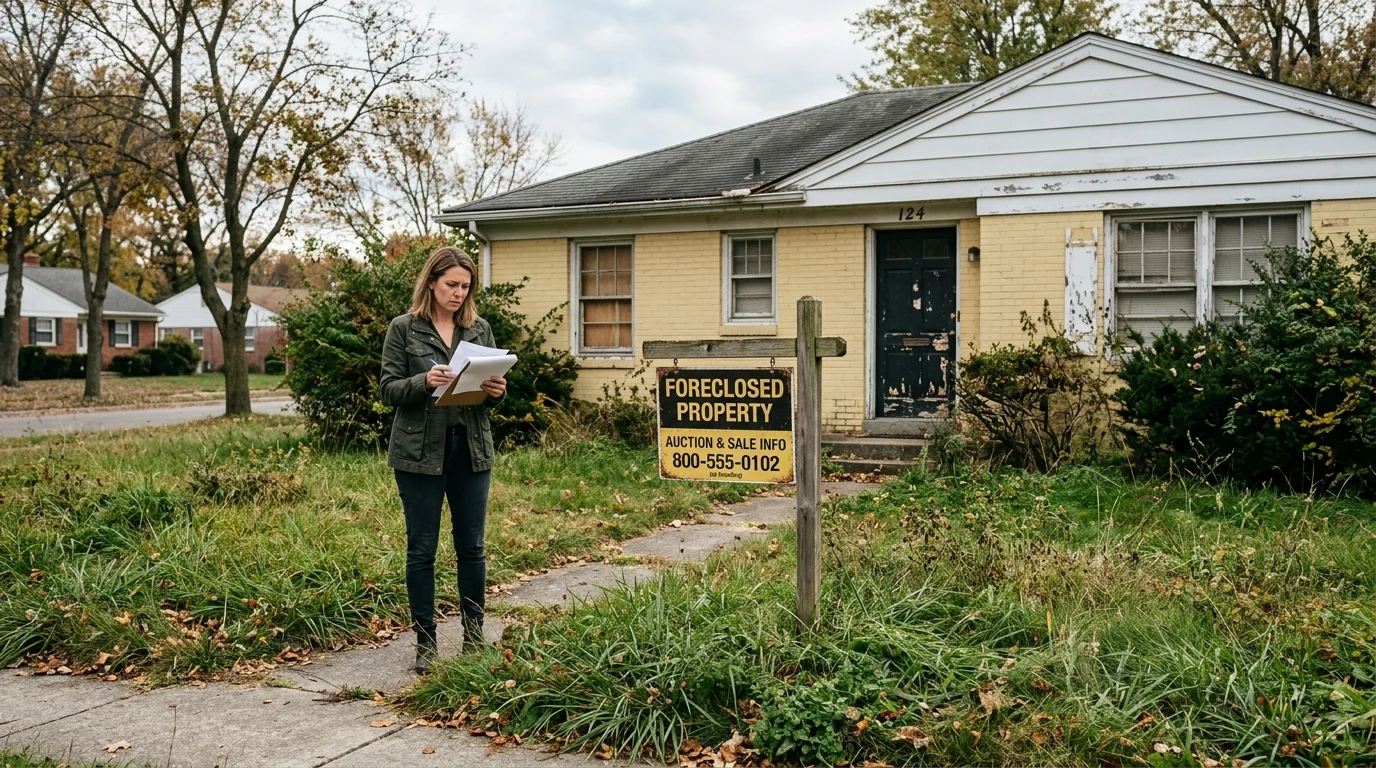
Buying a foreclosed property can be risky because buyers may face hidden repair costs, limited inspections, title problems, financing challenges, and unexpected legal issues. Research and professional inspections can reduce these risks.
What Is a Foreclosed Property?Why Do People Buy Foreclosed Homes?10 Risks of Buying a Foreclosed Property1. Unexpected Repair and Renovation Costs2. Limited Inspection Opportunities3. Title Issues, Liens, and Outstanding Property Obligations4. Financing Challenges5. Competition From Experienced Buyers6. Previous Owners or Tenants May Still Occupy the Property7. Unexpected Delays After Purchase8. Emotional Decisions Based Only on the Price9. The Property Value May Be Misunderstood10. State-Specific Foreclosure Rules Can Affect OwnershipForeclosure Auction vs Bank-Owned Property: Which Is Less Risky?How to Reduce the Risks of Buying a Foreclosed PropertyResearch the PropertyGet a Professional InspectionComplete a Title SearchCalculate All CostsWork With Experienced ProfessionalsIs Buying a Foreclosed Property Worth It?Frequently Asked QuestionsWhat makes buying a foreclosed property risky?Are foreclosed homes always cheaper?Can a foreclosed home have liens?Can I inspect a foreclosed property before buying?Are foreclosure homes good for first-time buyers?Final ThoughtsBuying a foreclosed property can look like an attractive opportunity for buyers searching for a lower-priced home. Foreclosed properties are often marketed as potential bargains because they are sold after a homeowner has failed to keep up with mortgage payments and the lender takes control of the property.
However, a low purchase price does not always mean a low-cost home. Foreclosure purchases can involve hidden expenses, limited property information, legal considerations, and additional responsibilities that do not always exist in traditional home purchases.
So, what makes buying a foreclosed property risky?
The biggest risks include unexpected repair costs, limited inspections, auction-related challenges, title issues, financing difficulties, and uncertainty about the property’s condition. Understanding these risks before making an offer can help buyers avoid expensive mistakes.
What Is a Foreclosed Property?
A foreclosed property is a home that a lender takes ownership of after the borrower fails to meet mortgage obligations. When mortgage payments stop, the lender may begin the foreclosure process to recover the unpaid loan balance.
Foreclosed properties are commonly sold through:
- Foreclosure auctions
- Bank-owned property listings (also called REO properties)
- Government-owned listings, such as homes sold by HUD, VA, Fannie Mae, or Freddie Mac
Each type of sale has different rules, timelines, and risks. A property purchased at auction can involve more uncertainty than a bank-owned home listed through a traditional real estate process.
Why Do People Buy Foreclosed Homes?
Many buyers consider foreclosed properties because they may offer:
- Potentially lower purchase prices
- Opportunities for renovation
- Investment possibilities
- Access to properties that may need improvement
For experienced buyers who understand construction costs and real estate transactions, foreclosure properties can sometimes create opportunities. However, buyers must look beyond the listing price and consider the complete financial picture.
10 Risks of Buying a Foreclosed Property
1. Unexpected Repair and Renovation Costs
One of the biggest risks of buying a foreclosed property is discovering expensive repairs after purchase.
Many foreclosure homes have been vacant for extended periods. During that time, maintenance problems can develop, including:
- Plumbing issues
- Electrical problems
- Roof damage
- HVAC failures
- Water damage
- Appliance replacement needs
- General property deterioration
Some properties may also have damage caused by previous occupants before leaving.
Because many foreclosure properties are sold “as-is,” buyers are often responsible for repairs after completing the purchase. A home that appears affordable initially may require thousands of dollars in additional work.
Before buying, buyers should estimate repair costs carefully and avoid assuming that every problem will be inexpensive to fix.
2. Limited Inspection Opportunities
A traditional home purchase usually allows buyers to complete inspections before closing. Foreclosure purchases may not always provide the same level of access.
Auction properties, in particular, may offer limited inspection opportunities or may not allow buyers to fully evaluate the property before bidding.
Without a proper inspection, buyers may not know about:
- Structural problems
- Hidden damage
- Safety concerns
- Expensive system replacements
Whenever possible, buyers should inspect the property before purchasing and understand what they are buying.
3. Title Issues, Liens, and Outstanding Property Obligations
Title problems are most common with auction purchases. Depending on the type of sale and the order of claims against the property, a buyer may encounter unpaid obligations such as property taxes, HOA dues, or certain liens.
Foreclosure does not automatically mean every possible claim disappears. The impact of existing obligations depends on factors such as state law, lien priority, and the type of foreclosure process.
Bank-owned properties usually have clearer titles because lenders often address title issues before selling the home. However, completing a professional title search is still an important step for every foreclosure purchase.
Title insurance can also help protect buyers from certain ownership-related problems that may appear after closing.
4. Financing Challenges
Financing a foreclosed property can be more complicated than financing a traditional home.
Foreclosure auctions typically require payment in full with cash or certified funds, often immediately or within a short period after winning the bid. This means a traditional mortgage is usually not practical for many auction buyers.
Buyers purchasing bank-owned homes generally have more financing options. Some may qualify for renovation loans designed for properties that require repairs.
Before purchasing, buyers should speak with lenders and understand what financing options are available for the specific property.
5. Competition From Experienced Buyers
Foreclosure properties often attract experienced investors, real estate companies, and buyers who specialize in distressed properties.
These buyers may have advantages such as:
- Knowledge of foreclosure procedures
- Experience estimating renovation costs
- Faster purchasing decisions
- Access to cash funding
First-time buyers may find it challenging to compete, especially at auctions where quick decisions are required.
Researching the local market and understanding property values can help buyers make more informed choices.
6. Previous Owners or Tenants May Still Occupy the Property
Occupancy issues can create complications, especially with auction purchases.
With auction properties, the buyer may become responsible for handling situations involving occupants. Bank-owned properties are usually delivered vacant, although buyers should always confirm the property’s status.
Federal law also provides certain protections for tenants with valid leases after foreclosure. Under the Protecting Tenants at Foreclosure Act, some tenants may have rights to remain for a period of time after foreclosure, meaning removal is not always immediate.
Because occupancy rules can vary depending on circumstances and location, buyers should research the property status before purchasing.
7. Unexpected Delays After Purchase
Buying a foreclosure does not always mean immediate ownership access or a quick move-in process.
Possible delays can include:
- Completing repairs
- Resolving title issues
- Handling occupants
- Obtaining permits
- Waiting for contractors
These delays can increase costs and affect buyers who need a home quickly.
A realistic timeline and emergency budget are important when considering a foreclosure purchase.
8. Emotional Decisions Based Only on the Price
A discounted foreclosure listing can create excitement, but buyers should avoid making decisions based only on the purchase price.
A property is not necessarily a good deal simply because it appears cheaper.
Buyers should consider:
- Repair expenses
- Property taxes
- Insurance costs
- Financing costs
- Neighborhood conditions
- Future resale value
The real value of a foreclosure depends on the total investment required, not just the initial purchase price.
9. The Property Value May Be Misunderstood
A foreclosure listing price does not always represent the true market value of a property.
A lower price may reflect:
- Needed repairs
- Market conditions
- Property location
- Limited buyer demand
Buyers should compare the property with similar homes in the area and evaluate whether the final cost makes financial sense.
A professional real estate agent or appraiser can help provide a clearer understanding of market value.
Comparison:
| Traditional Home Purchase | Foreclosed Property Purchase |
|---|---|
| Usually inspected before purchase | Inspection may be limited |
| Seller disclosures often available | Less property information |
| Repairs may be negotiated | Usually sold as-is |
| Normal financing process | Financing can be complicated |
| Lower uncertainty | Higher buyer responsibility |
10. State-Specific Foreclosure Rules Can Affect Ownership
Foreclosure laws vary significantly between states, and some rules can affect when a buyer gains complete control of the property.
In some states, former owners may have a limited redemption period after a foreclosure sale, allowing them to reclaim the property by meeting specific legal requirements.
Because foreclosure laws differ across the United States, buyers should understand the rules in the state where the property is located and consider consulting a qualified real estate professional before purchasing.
Foreclosure Auction vs Bank-Owned Property: Which Is Less Risky?
Bank-owned properties are generally less risky than auction properties because buyers usually receive more information, clearer title conditions, and a more traditional closing process.
Foreclosure auctions may provide opportunities for lower purchase prices, but they often involve:
- Limited inspections
- Faster payment requirements
- Greater uncertainty
- Potential occupancy issues
Bank-owned properties, also known as REO properties, are usually handled more like traditional real estate transactions, giving buyers more opportunities to complete inspections, arrange financing, and review property information.
However, every property should be evaluated individually.
How to Reduce the Risks of Buying a Foreclosed Property
Buyers can reduce foreclosure risks by following several important steps:
Research the Property
Review available information about:
- Previous ownership
- Property history
- Taxes
- Neighborhood conditions
- Comparable home values
Get a Professional Inspection
An inspection can identify problems that may not be visible during a quick viewing.
Complete a Title Search
A title search helps identify potential ownership issues, liens, or unpaid obligations.
Calculate All Costs
Do not focus only on the purchase price. Include:
- Repairs
- Closing costs
- Insurance
- Taxes
- Maintenance expenses
Work With Experienced Professionals
A real estate agent, attorney, contractor, or lender familiar with foreclosure purchases can help buyers navigate the process.
Is Buying a Foreclosed Property Worth It?
Buying a foreclosed property can be a good opportunity for buyers who understand the risks and are prepared to handle potential challenges.
It may work well for:
- Experienced investors
- Buyers comfortable with renovation projects
- People willing to research properties carefully
However, buyers looking for a simple, move-in-ready home may prefer traditional listings with fewer unknowns.
The goal should not be finding the cheapest foreclosure property. The goal should be finding a property where the total cost, condition, and long-term value make sense.
Frequently Asked Questions
What makes buying a foreclosed property risky?
Buying a foreclosed property can be risky because buyers may face repair costs, limited inspections, financing challenges, title issues, and legal complications depending on the type of sale.
Are foreclosed homes always cheaper?
No. While some foreclosed properties may sell below market value, repair costs, fees, and other expenses can affect the final cost.
Can a foreclosed home have liens?
Yes, especially properties purchased at auction. Bank-owned homes usually have clearer titles, but a professional title search is the safest way to identify potential problems.
Can I inspect a foreclosed property before buying?
It depends on the sale type. Some bank-owned properties allow inspections, while foreclosure auctions may provide limited access.
Are foreclosure homes good for first-time buyers?
They can be challenging for first-time buyers because they often require more research, financial preparation, and understanding of the foreclosure process.
Final Thoughts
Buying a foreclosed property can offer opportunities, but it also requires careful planning. The biggest mistakes happen when buyers focus only on the discounted price and ignore repair costs, legal considerations, financing requirements, and property conditions.
Before purchasing a foreclosure home, research the property, understand the type of sale, complete inspections when possible, review the title, and calculate the full cost of ownership.
Foreclosure rules and buyer protections vary by state, so consulting qualified real estate professionals before making a purchase can help reduce unexpected risks.
