










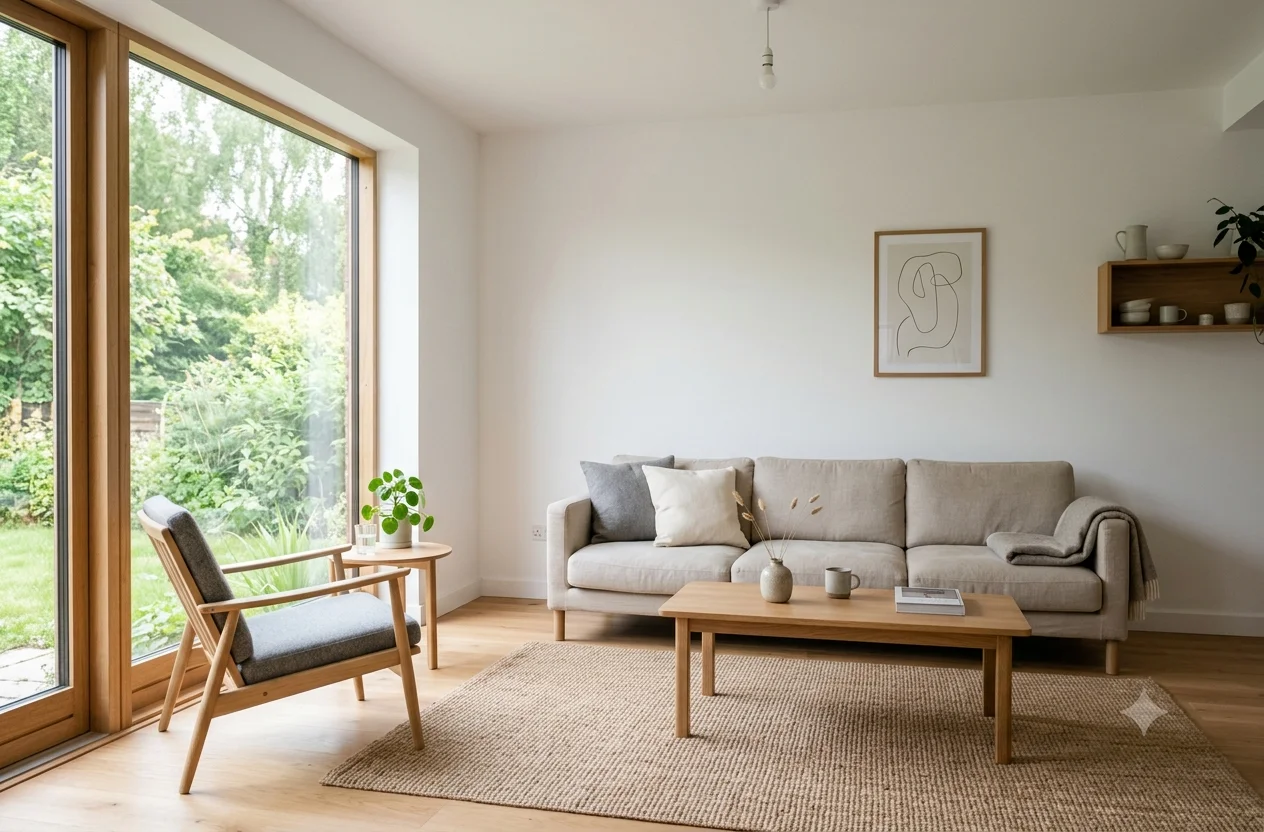
Life can become crowded without us noticing.
A few extra purchases turn into full closets. A busy week becomes a permanently packed schedule. Phone notifications interrupt meals, conversations, work, and rest. Monthly subscriptions continue long after we stop using them.
These practical minimalist lifestyle tips offer a calmer way forward — not by asking you to give everything away, but by helping you make more intentional choices about what stays in your life.
Minimalism is not about living in an empty white room. It does not require you to give away everything you own, wear the same outfit every day, or stop enjoying shopping.
It is about making thoughtful choices.

You keep what is useful, meaningful, or enjoyable, and remove what creates unnecessary stress, expense, or distraction. The goal is not to own the smallest possible number of items — it’s to build a life that supports your needs and values.
For one person, minimalism may mean reducing clothing. For another, it may mean leaving unnecessary online groups. A family may reduce toys and simplify routines. A business owner may remove unproductive meetings. There is no single correct version of minimalism — the best minimalist lifestyle is one that helps you feel less overwhelmed and more present in daily life.
This guide covers practical minimalist lifestyle tips for beginners and experienced readers alike, including how to simplify your home, wardrobe, finances, schedule, technology, work, and daily routines.
What Is a Minimalist Lifestyle?
A minimalist lifestyle is the practice of intentionally reducing possessions, commitments, and distractions so you can focus your time, money, and attention on what matters most.
A minimalist lifestyle is an intentional way of living. It encourages you to decide what deserves space in your home, time in your schedule, and attention in your mind.
Many people collect possessions and commitments without making a clear decision. They buy something because it’s discounted. They accept an invitation because they feel guilty saying no. They download an app because everyone else is using it. Minimalism interrupts this automatic behavior by encouraging you to pause and ask a few simple questions:
- Do I need this?
- Does this improve my life?
- Is this worth the time, money, and space it requires?
- Would I choose this again today?
These questions apply to more than physical items — use them when reviewing relationships, subscriptions, habits, work tasks, social media, and personal goals.
A minimalist home can still feel warm and personal. A minimalist wardrobe can include bright colors. A minimalist family can still own toys, books, electronics, and hobby supplies. Minimalism is not a design style — it’s a decision-making approach.
The Main Goal of Minimalism
The main goal of minimalism is to create space for what matters.
That space may be physical — you may want cleaner rooms and easier storage. It may be financial — you may want to spend less and save more. It may be emotional — you may want less guilt, pressure, or mental noise. It may also involve time — more room for family, health, creativity, travel, or rest.
Removing unnecessary things is only one part of the process. The more important part is deciding what you want to protect. Without a clear purpose, decluttering can become another temporary project; with a purpose, minimalism becomes a useful long-term habit.
Why Minimalism Appeals to Modern Life
Modern life gives us access to more products, entertainment, information, and communication than previous generations had. That access can be useful, but it can also become exhausting.
Online stores stay open every hour. Social media encourages comparison. Digital services compete for attention. Fast delivery makes impulse buying easy. Work messages can reach people at home. Many households also struggle with limited storage, rising expenses, and busy routines.
Minimalism doesn’t ask you to reject modern life — it asks you to use modern tools and products more carefully. Instead of letting every offer, app, trend, and request into your life, you create boundaries. You decide what enters your home, what appears on your phone, how your money is used, and which commitments deserve your time. This sense of control is one reason minimalism can feel freeing.
Minimalist Lifestyle Benefits
Minimalist lifestyle benefits can affect almost every part of daily life:
- Easier cleaning — when counters, tables, and floors are clear, routine cleaning takes less time
- Easier organization — you spend less time searching for keys, paperwork, chargers, or kitchen tools
- Fewer morning decisions — a smaller, well-chosen wardrobe makes getting dressed faster
- Stronger finances — buying fewer unnecessary items can help reduce debt and increase savings
- Better focus — fewer notifications and apps make it easier to work, read, rest, and hold conversations without interruption
- More free time — a lighter schedule creates space for sleep, exercise, family, and personal interests
- Greater gratitude — when you stop constantly chasing the next purchase, you start noticing the value of what you already have
Minimalism and Happiness
Minimalism doesn’t guarantee happiness — no lifestyle can remove every problem. But it can remove some of the barriers that make happiness harder to notice.
A crowded schedule can prevent rest. Financial stress can affect relationships. Constant notifications can make peaceful moments feel impossible. A cluttered home can turn simple tasks into frustrating ones. By reducing these pressures, minimalism creates better conditions for contentment — helping you give more attention to experiences that don’t depend on buying more, like taking a walk, cooking with family, reading, gardening, calling a friend, or sitting outside with a cup of coffee.
Minimalist Lifestyle Tips for Beginners
The best minimalist lifestyle tips for beginners are realistic and easy to follow. A common mistake is trying to transform an entire home in one weekend — this often leads to exhaustion and regret.
Start with one small area. Choose a bathroom drawer, kitchen counter, bedside table, or section of your closet. Remove trash first, then broken items and products you no longer use. Group similar things together — you may discover you own several versions of the same item. Keep the one you use most, and decide whether the others deserve space. Small areas provide quick progress and help you build decision-making confidence before tackling larger categories.
Stop new clutter from entering your home. Decluttering won’t create lasting results if you keep buying at the same rate. Before purchasing a nonessential item, wait at least one day — for expensive purchases, wait longer. During that time, consider whether you already own something that serves the same function, and think about where the item will actually be stored and how often you’ll use it. This simple pause can prevent many impulse purchases.
How to Simplify Your Home
Learning how to become a minimalist at home starts with understanding how your home supports your daily routines. Your home should make everyday life easier — it shouldn’t feel like a place where unused possessions wait indefinitely.
Walk through each room and notice where clutter gathers. Common problem areas include entry tables, kitchen counters, dining tables, bathroom shelves, bedroom chairs, closets, garages, and spare rooms.
Choose one room and focus on one category at a time. Place all similar items together so you can see the actual amount you own. Keep items you use regularly and special items with clear emotional value; remove things that are damaged, expired, duplicated, or forgotten. Avoid moving clutter from one room to another — every item should have a permanent place. When something doesn’t have a place, you have two choices: create a suitable place, or decide the item doesn’t need to remain.
Simplifying the Living Room
The living room often serves several purposes — relaxing, watching television, entertaining guests, playing with children, and working from home. Minimalism should make these activities easier, not harder.
Start with visible surfaces. Remove old mail, empty cups, unused decorations, toys, cables, and anything that belongs in another room. Review furniture carefully — large rooms don’t need to be filled simply because space is available. Keep furniture that provides comfort or function, and limit decorations to items you genuinely enjoy; a smaller number of meaningful objects often gets more attention than a crowded collection. Use baskets or cabinets for items that are used frequently but create visual clutter, and spend a few minutes each evening returning the room to its normal condition.
Simplifying the Kitchen
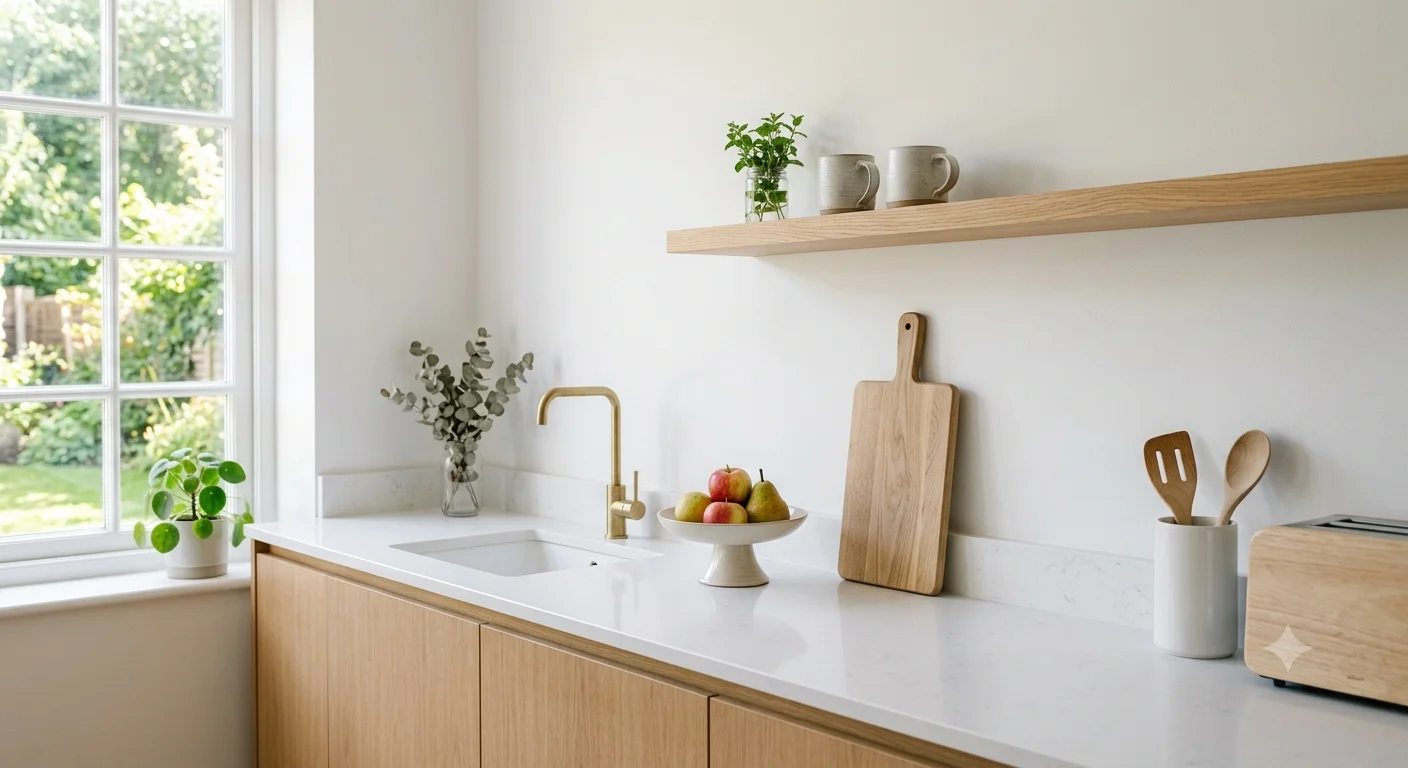
A minimalist kitchen isn’t a kitchen without tools — it’s a kitchen where tools match your cooking habits. Many people own appliances they rarely use, along with duplicate utensils, damaged containers, expired food, and excess mugs.
Start with food: check your refrigerator, freezer, and pantry, remove expired products, and plan meals around food that should be used soon. Next, review kitchen tools — keep what you use regularly, and if you own several tools for the same task, keep the best one. Consider how many plates, bowls, glasses, and cups your household actually needs (enough for daily life and occasional guests, not more). Create clear storage areas and keep frequently used tools near where you use them. A simpler kitchen can reduce food waste, cleaning time, and frustration.
Simplifying the Bedroom
The bedroom should support sleep and rest. Start with clothing, bedside tables, and visible surfaces — remove work papers, unused electronics, empty packaging, and anything that doesn’t belong in the room.
Keep the area near your bed calm; a lamp, book, alarm clock, or glass of water may be enough. Avoid using the bedroom as permanent storage for items with no proper place elsewhere, and review bedding so you keep only the sets you actually use. A simpler bedroom can make your evening routine feel calmer and your morning routine easier.
Simplifying the Bathroom
Bathrooms often collect small products — expired medication, hotel toiletries, old makeup, nearly empty bottles, and duplicate cleaning supplies can fill cabinets quickly.
Check dates and dispose of products responsibly. Keep daily items within easy reach and store occasional products together. Avoid opening several versions of the same product at once — use what you already have before buying replacements. This small habit can reduce both waste and cost.
Minimalist Lifestyle Clothing
Minimalist lifestyle clothing focuses on usefulness, comfort, and personal style. It doesn’t require a neutral wardrobe unless that’s what you enjoy.
Start by removing clothes that don’t fit, feel uncomfortable, need repairs you’ll never complete, or no longer match your daily life. Don’t keep large amounts of clothing for an imagined future — dress for your current job, climate, activities, and preferences. Someone working from home may need fewer formal outfits; someone in a cold climate may need more coats and layers; a parent with young children may value washable, comfortable clothing.
Choose pieces that work with several outfits, and notice which colors and styles you wear most often so you can use that information for future purchases. Avoid buying an item only because it’s trendy or heavily discounted. A smaller wardrobe works best when the remaining clothes fit well and feel good.
Creating a Capsule Wardrobe
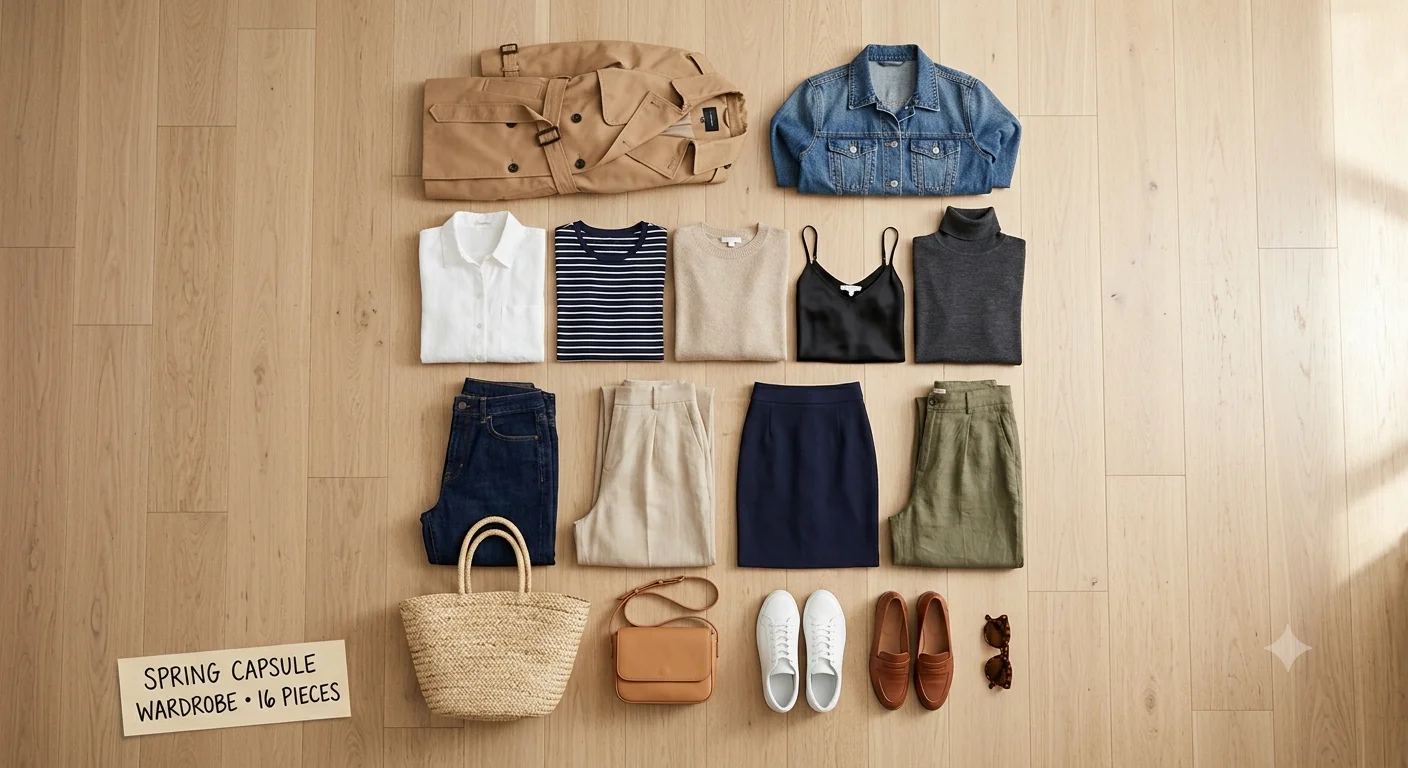
A capsule wardrobe is a smaller collection of clothing that can be combined in many different ways — there’s no fixed number to follow.
Begin with your most-used items: everyday tops, bottoms, outerwear, shoes, and accessories that match your routine. Select colors that work well together, then add a few pieces that express your personality. Store seasonal clothing separately if your climate changes throughout the year, and review the wardrobe after a few weeks — you may notice missing items or pieces that still go unworn. A capsule wardrobe should make dressing easier, not restrictive.
Digital Minimalism
Digital clutter doesn’t occupy a closet, but it can occupy your attention. Emails, apps, notifications, photos, downloads, and subscriptions can create constant mental pressure.
Start with your phone: delete apps you no longer use, move distracting apps off your main screen, and turn off notifications that don’t need an immediate response. Keep calls, messages, calendar reminders, and security alerts if they’re important, but remove promotional notifications and unnecessary updates.
Review your email inbox — unsubscribe from newsletters you no longer read, and create folders only when they genuinely make information easier to find. Delete old downloads and duplicate files, organize important photos and documents, and back up valuable files using a reliable method. Set specific times for checking email and social media; you don’t need to respond to every message immediately. Digital minimalism isn’t about avoiding technology — it’s about making technology serve your needs.
Minimalism and Social Media
Social media can provide information, connection, and entertainment — but it can also create comparison, distraction, and pressure.
Review the accounts you follow. Keep people and pages that educate, encourage, or entertain you in a healthy way, and mute or unfollow accounts that regularly make you feel anxious, angry, inadequate, or pressured to buy. Consider removing social apps from your phone for a week (you can still access them from a computer when needed), and avoid using your phone during meals, conversations, or the first few minutes after waking. Create spaces in your day where your attention isn’t available to an app.
Minimalism and Money
Minimalism can support stronger financial habits because it changes how you view purchases. The cost of an item isn’t limited to its price — it may also require storage, cleaning, repairs, replacement parts, insurance, upgrades, or future disposal. Before buying something, ask whether the value is greater than the total cost.
Track your spending for one month without judging yourself — simply notice where your money goes. Review subscriptions, memberships, delivery services, streaming platforms, cloud storage, software, and automatic payments, and cancel anything you no longer use. Create a list of financial priorities: paying down debt, building emergency savings, buying a home, funding education, traveling, or supporting family.
Minimalism doesn’t mean never spending money on enjoyment — it means spending more intentionally. A high-quality product you use for years may provide more value than several cheap replacements, and an experience with family may matter more than another household item. The purpose isn’t deprivation; it’s alignment.
Minimalism and Time
Time is one of the most valuable resources you have, and a crowded calendar can create the same stress as a crowded room.
Review your weekly commitments. Notice which activities support your health, relationships, work, faith, learning, or enjoyment — and which continue only because you feel guilty, afraid, or obligated. You may not be able to remove every responsibility (work, caregiving, education, and household tasks are part of life), but you may be able to reduce unnecessary meetings, repeated errands, unwanted social events, or time-consuming habits. Leave some open space in your schedule — rest doesn’t need to be earned through exhaustion. A slower evening or a free weekend can help you recover and think more clearly.
Minimalism at Work
Workplaces can become cluttered with meetings, messages, documents, software, and unfinished tasks.
Start by identifying your most important responsibilities, and each morning, choose a small number of tasks that deserve your main attention. Close unnecessary browser tabs, organize files using simple names and folders, and remove outdated documents from your desk. Review recurring meetings and consider whether every one requires your presence. Use fewer tools when one reliable system can do the same job, and avoid treating every message as equally urgent. A minimalist approach to work can improve focus and reduce the feeling of being constantly busy without making real progress.
Minimalism for Families
Families can practice minimalism without forcing every person to own the same amount — each family member has different needs. Children may need toys, school supplies, sports equipment, clothing in changing sizes, and comfort items.
Parents can simplify by creating clear limits and storage systems. Keep a manageable number of toys available and rotate the rest every few weeks. Donate toys children have outgrown, but involve older children in the decision. Create one place for school bags, shoes, coats, and daily items, plan meals before grocery shopping, and limit the number of activities scheduled each week. Family minimalism should reduce stress — it shouldn’t create arguments or remove items without permission.
Minimalism for Parents
Parents often carry physical and mental clutter — appointments, school messages, clothing sizes, meals, household supplies, and family schedules.
A simple weekly routine can reduce this pressure: choose one day for meal planning, keep important dates in one calendar, create a regular laundry schedule, and prepare school items the night before. Avoid buying large amounts of products before knowing whether your child will actually use them. Keep a memory box for meaningful papers and artwork — you don’t need to save every item to preserve the memory, and taking photos of large projects before recycling them works just as well. The goal isn’t a perfect home; it’s a home that works for the family.
Minimalist Living Examples
Minimalist living examples show how flexible this lifestyle can be:
- A young professional living in a small apartment who keeps only furniture that serves a daily purpose
- A family that reduces toys, keeps a shared calendar, and plans five simple dinners each week
- A retiree who downsizes to a smaller home and keeps only possessions connected to current interests
- A remote worker with a clear desk holding just a computer, notebook, lamp, and water bottle
- A traveler whose entire wardrobe fits into one suitcase
- A student who keeps digital notes, borrows books, and skips decorating a temporary room
- A homeowner who chooses fewer decorations so each displayed object has real meaning
- A busy couple who cancels unused subscriptions and protects one evening a week for time together
These examples show that minimalism can support many ages, incomes, and living situations.
How to Become a Minimalist in 30 Days
Learning how to become a minimalist in 30 days feels far more manageable when the process is broken into four stages.
Week One — Visible spaces. Clear kitchen counters, dining tables, bathroom surfaces, bedside tables, floors, and entry areas. Remove trash and return misplaced items to their proper rooms. Choose one small drawer to tackle each day, and hold off on buying storage products until you’ve decided what needs to stay.
Week Two — Clothing and hidden storage. Review your everyday wardrobe and remove damaged, uncomfortable, and unworn clothing. Check bathroom cabinets, kitchen cupboards, closets, and storage boxes. Group similar items, remove duplicates, and donate useful products that no longer fit your life.
Week Three — Digital life and money. Delete unused apps and turn off unnecessary notifications. Clean your email inbox and unsubscribe from unwanted marketing. Review automatic payments and subscriptions, track your spending for the week, and create a waiting period for nonessential purchases.
Week Four — Time, habits, and routines. Review your calendar and remove one unnecessary commitment if possible. Create a simple evening reset for your home, choose one regular shopping day instead of repeated trips, plan basic meals for the coming week, and write down the reasons you want to continue minimalism.
At the end of 30 days, your home may not be completely transformed — and that’s fine. The most important result is greater awareness.
Becoming a Minimalist Checklist
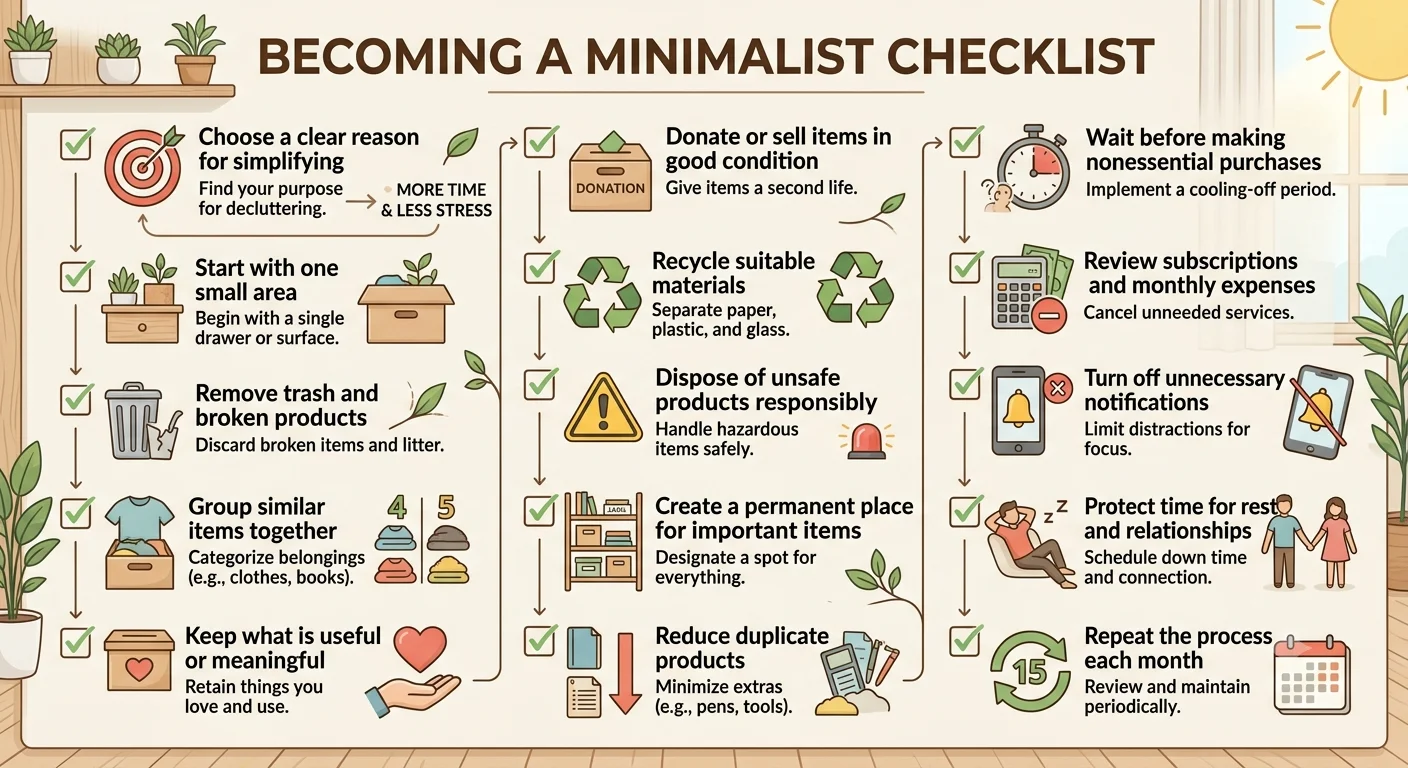
- Choose a clear reason for simplifying
- Start with one small area
- Remove trash and broken products
- Group similar items together
- Keep what is useful or meaningful
- Donate or sell items in good condition
- Recycle suitable materials
- Dispose of unsafe products responsibly
- Create a permanent place for important items
- Reduce duplicate products
- Wait before making nonessential purchases
- Review subscriptions and monthly expenses
- Turn off unnecessary notifications
- Protect time for rest and relationships
- Repeat the process each month
This checklist doesn’t need to be completed in one day — use it as a guide whenever clutter starts to return.
Common Minimalism Mistakes
Removing too much too quickly. Fast decluttering can create regret — take extra time with expensive, practical, or emotional items.
Copying minimalist homes from social media. A photographed room may be designed for appearance rather than daily function. Your home needs to support cooking, work, children, pets, hobbies, and real life.
Buying large amounts of storage. Containers can organize possessions, but they can also hide unnecessary clutter. Decide what you need before purchasing organizers.
Replacing old clutter with new “minimalist” products. Buying matching jars, furniture, clothing, and decorations to create a minimalist look can increase spending without reducing excess.
Forcing minimalism on other people. You can control your own possessions, but shared items require shared decisions. Minimalism should be respectful and practical.
Sustainable Minimalism
Minimalism and sustainability often support each other. Buying fewer products can reduce packaging, waste, and repeated shipping. Repairing useful items extends their life, and buying secondhand reduces cost while keeping products in use.
That said, decluttering should also be responsible. Don’t send every unwanted item straight to the trash — donate products that are clean and useful, sell valuable items, recycle suitable materials, and follow local guidelines for electronics, batteries, medication, paint, and chemicals. Avoid donating broken or unsafe products; donation centers shouldn’t become disposal sites. Sustainable minimalism also means using what you already own — the most environmentally friendly product is often the one already in your home.
How to Maintain a Minimalist Lifestyle
Minimalism requires ongoing maintenance because life keeps changing. New products enter the home, children grow, work changes, hobbies develop, and gifts arrive.
Create a simple evening reset — spend five or ten minutes returning items to their places. Keep a donation box in a closet or storage area, and when you notice something you no longer use, drop it in. Review clothing at the start of each season, check subscriptions every few months, and use a one-in-one-out rule for categories that easily become crowded (for example, when buying a new coat, donate an old one you no longer wear). Schedule one small decluttering session each month rather than waiting until the whole home feels overwhelming. Minimalism works best when it becomes part of regular life.
Finding Joy in the Little Things
Minimalism creates room for attention. When your home is calmer and your schedule is lighter, ordinary experiences start to feel more meaningful.
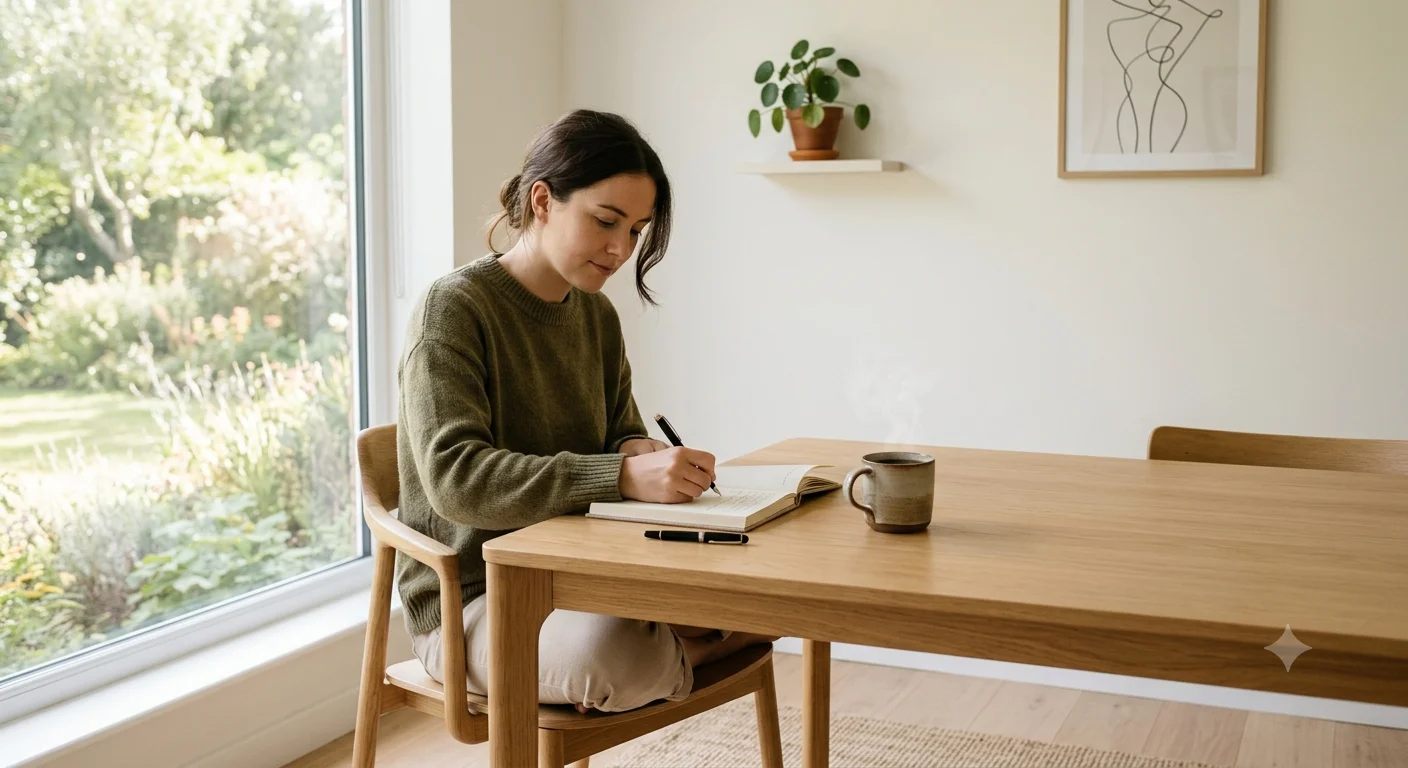
You may notice morning light through a window. You may enjoy preparing a simple meal, listen more carefully during a conversation, or read without checking your phone every few minutes. You may feel grateful for a comfortable chair, a favorite shirt, or a quiet evening.
These moments don’t require a large budget — they require attention. Consumer culture often suggests that happiness is waiting in the next purchase; minimalism offers a different idea. Joy may already exist in your daily life, but clutter, noise, and busyness make it difficult to see. Minimalism doesn’t remove ambition — you can still pursue career goals, travel, education, and personal growth. It simply reminds you that a meaningful life isn’t measured only by how much you own.
Frequently Asked Questions
What does living a minimalist lifestyle mean? Living a minimalist lifestyle means making intentional choices about possessions, money, time, habits, and commitments — keeping what supports your life and reducing what creates unnecessary pressure.
Do I need to throw away most of my possessions? No. Minimalism doesn’t require a fixed number of items. Keep whatever is useful, meaningful, or regularly enjoyed.
Can families become minimalists? Yes. Families can simplify toys, clothing, schedules, meals, and household shopping — the process should include every family member and respect personal belongings.
Can minimalism help me save money? Yes, often. It can reduce impulse buying, unused subscriptions, duplicate purchases, and storage costs, though the amount saved depends on your habits.
How long does it take to become a minimalist? There’s no fixed timeline. You can make noticeable progress in 30 days, but lasting habits usually take several months to build.
What should I declutter first? Start with a small, low-emotion area — a bathroom drawer, kitchen counter, desk, or bedside table is a good first step.
Is minimalist lifestyle clothing always neutral? No. Minimalist clothing can be any color or style. The goal is owning clothes that fit, feel comfortable, and suit your routine — not sticking to a specific palette.
Can I be a minimalist and still collect things? Yes. A thoughtful, intentional collection can fit a minimalist lifestyle when it brings genuine enjoyment without creating financial or storage problems.
Does minimalism mean living cheaply? No. Minimalism is about intentional value, not always choosing the lowest price — some minimalists spend more on durable products that last longer.
How do I stop clutter from returning? Give every important item a permanent place, reduce impulse shopping, review possessions regularly, and set simple limits for categories that tend to get crowded.
Final Thoughts
A minimalist lifestyle isn’t about creating a perfect home or following strict rules — it’s about making room for a better daily life.
You might begin by clearing one drawer, canceling an unused subscription, turning off distracting notifications, or saying no to a commitment that no longer fits. Each small decision creates a little more space. Over time, that space can become a calmer home, a clearer schedule, stronger finances, and greater attention to the people and experiences that matter most.
Minimalism isn’t about having less for the sake of having less — it’s about removing what distracts you from what you value. Start small, move slowly, and build a version of minimalism that fits your real life.
