









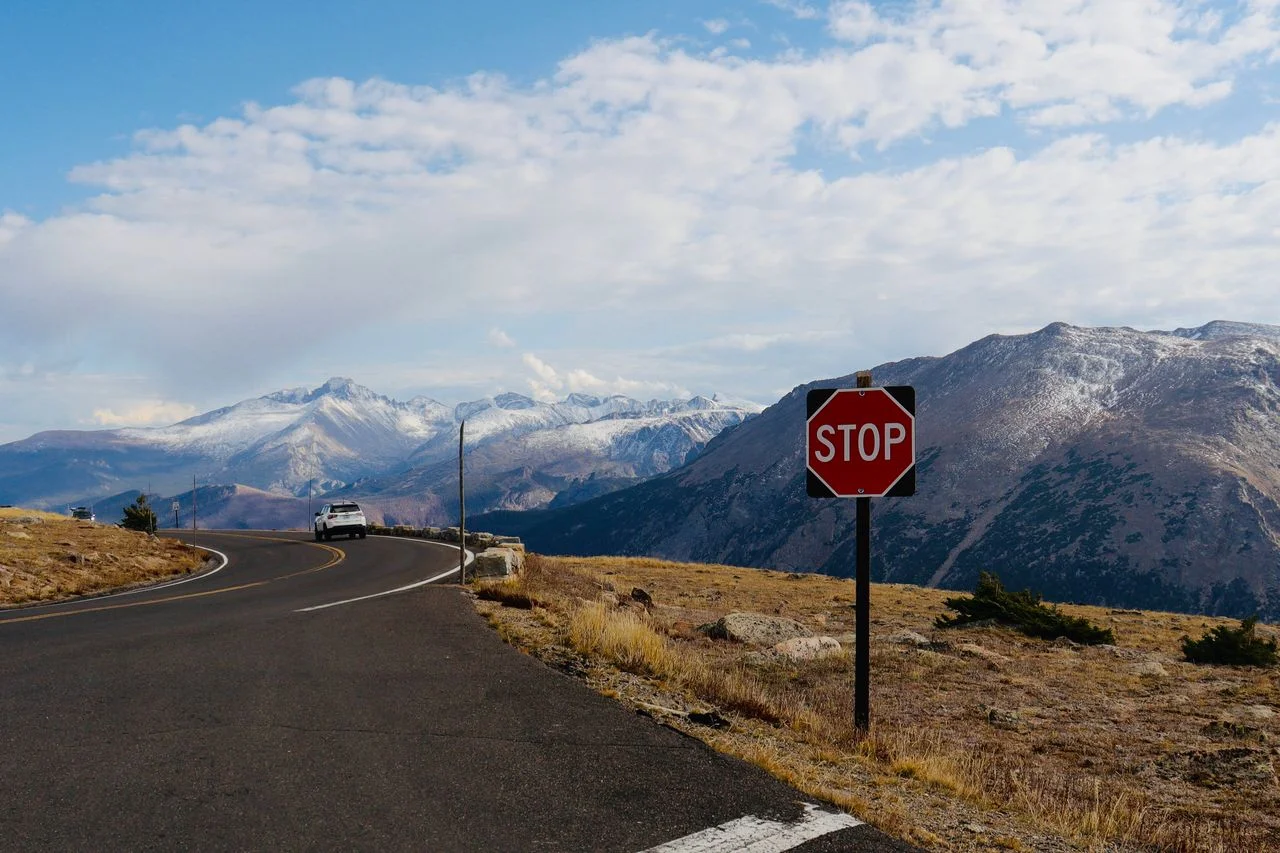
You should generally stop every two hours or approximately every 100 miles during a road trip. Use each break to walk around, use the restroom, drink water, eat something light, and assess whether you are alert enough to continue driving.
This is a planning guideline, not a guarantee that driving for two uninterrupted hours is always safe. Stop earlier when you feel sleepy, lose concentration, encounter difficult weather, take medication that causes drowsiness, or travel with children, seniors or pets.
AAA (American Automobile Association) advises drivers on longer trips to schedule a break every two hours or 100 miles. It also recommends traveling when you would normally be awake and sharing driving responsibilities with an alert passenger when possible.
How Often Should You Stop on a Road Trip?
For most healthy and well-rested adults, use the following schedule:
| Travel situation | Suggested stopping frequency | Typical break length |
|---|---|---|
| One rested adult driver | Every 2 hours or 100 miles | 15–20 minutes |
| Two adults sharing the drive | Every 2 hours | 15–20 minutes |
| Driving with young children | Every 1.5–2 hours | 20–30 minutes |
| Driving with older adults | Every 1.5–2 hours | 20–30 minutes |
| Driving with a dog | About every 2 hours | 15–30 minutes |
| Difficult weather or traffic | As soon as concentration declines | As long as needed |
| Driver showing fatigue | Immediately | Do not continue until alert |
These are practical planning ranges rather than legal driving limits. Your actual schedule should depend on sleep, health, traffic, road conditions and the needs of your passengers.
You may also Like

Why Taking Regular Road Trip Breaks Matters
Long-distance driving can feel easy when the highway is straight, traffic is light and cruise control is active. That apparent simplicity is part of the problem. A repetitive road environment can reduce stimulation and make it harder to notice declining concentration.
The National Institute for Occupational Safety and Health identifies long periods of inactivity, insufficient sleep, time of day, health conditions and drowsiness-causing medications as possible contributors to driver fatigue. Fatigue can slow reactions, impair decisions, cause lane drifting and produce brief periods of unintended sleep. Breaks interrupt that monotony. They give you an opportunity to move, check your physical condition and decide whether continuing is genuinely safe.
A break is not wasted travel time. It is part of the journey’s safety plan.
The Two-Hour or 100-Mile Rule Explained

The most useful general guideline is to stop after:
- Approximately two hours of driving
- Around 100 miles
- Whichever point arrives first
The mileage portion should not be treated too rigidly. Driving 100 miles on a clear interstate is different from covering 100 miles through mountain roads, construction zones, heavy rain or urban congestion.
Time behind the wheel is usually the better measure. A driver can become mentally exhausted in dense traffic without traveling very far.
Likewise, reaching a two-hour mark does not mean you must keep driving until that point. Stop earlier when you notice any change in your alertness or driving performance.
How Long Should a Road Trip Break Be?
A normal road trip break should last approximately 15 to 20 minutes. That is usually enough time to:
- Park safely
- Use the restroom
- Walk and stretch
- Drink water
- Eat a light snack
- Check the vehicle
- Review the next section of the route
A five-minute fuel stop may not provide enough separation from driving, especially after several hours on the road. Avoid turning every break into a rushed race to return to the highway.
Longer breaks may be needed after difficult road conditions, several consecutive driving periods or signs of fatigue. A proper meal stop may take 30 to 60 minutes, while serious sleepiness may require a nap, driver change or overnight stop.
Stop Immediately When You Notice These Warning Signs
Do not wait for your scheduled break when your alertness has already started to decline.
Pull over at a safe location when you experience:
- Frequent yawning
- Heavy eyelids
- Difficulty keeping your head up
- Trouble focusing your eyes
- Drifting toward another lane
- Hitting a rumble strip
- Missing an exit
- Repeatedly changing speed
- Difficulty remembering the last few miles
- Delayed reactions to traffic
- Irritability or unusual impatience
- Repeated corrections with the steering wheel
NIOSH lists slower reactions, poor decisions, lane drifting, tunnel vision, microsleeps and forgetting recently driven miles among the effects of fatigue. These are not signs that you need louder music. They are signs that your ability to drive safely may already be impaired.
What Should You Do If You Become Sleepy While Driving?
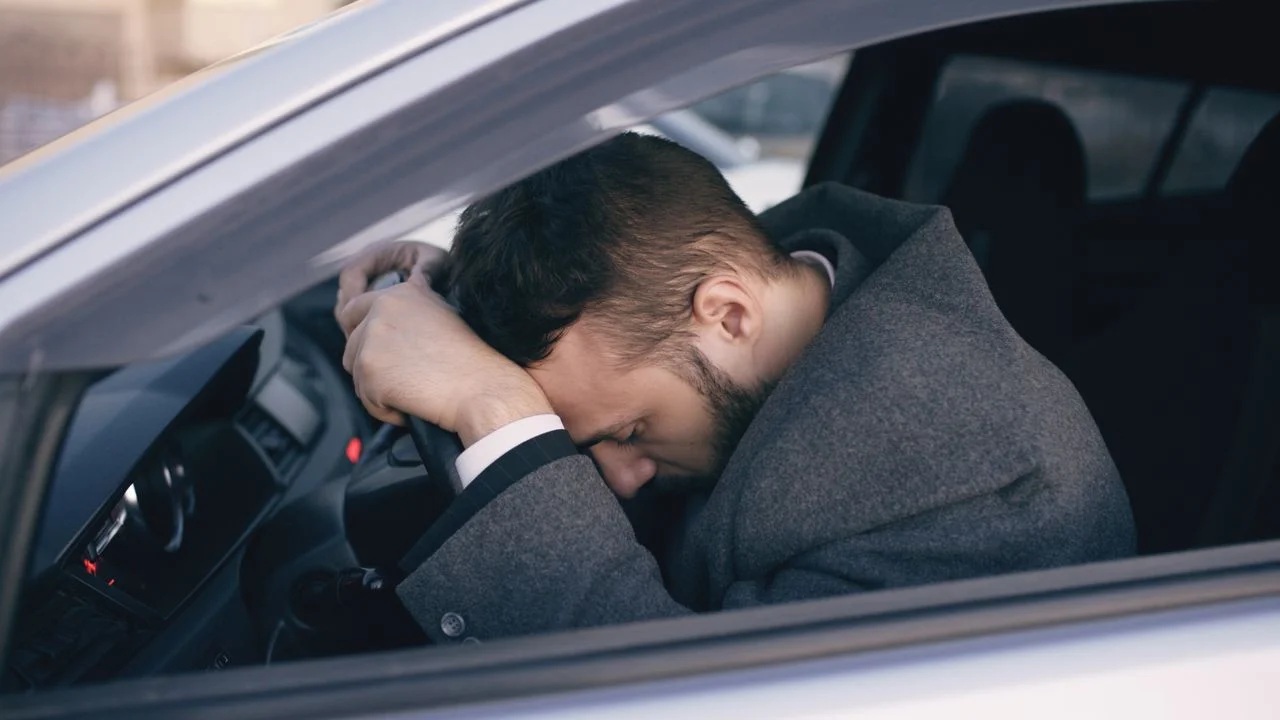
Take the following steps:
- Leave the road at the next safe exit or designated rest area.
- Park somewhere safe and well lit.
- Change drivers when another rested and qualified driver is available.
- Take a short nap rather than forcing yourself to continue.
- Consider ending the day’s drive if sleepiness returns.
- Book nearby accommodation when you cannot recover sufficient alertness.
NHTSA (National Highway Traffic Safety Administration) states that adequate sleep is the only reliable protection against drowsy driving. For a temporary intervention, it recommends pulling into a safe location, consuming coffee and taking a short 20-minute nap. However, this only provides a temporary improvement and does not replace sleep. The CDC similarly advises fatigued drivers to pull over and take a 15-to-20-minute nap. It emphasizes that sleep is the only cure for fatigue. Fresh air and loud music are not dependable solutions when you are severely tired.
Why Sleep Before the Trip Matters More Than Break Frequency
A perfectly organized break schedule cannot repair serious sleep deprivation.
NHTSA advises adults to prioritize seven to eight hours of sleep and recommends getting a good night’s rest before a long family road trip. It also warns that alcohol and medications that cause drowsiness can increase driving risk. Research reported by the AAA Foundation found that drivers who missed one to two hours of the recommended seven hours of sleep had nearly twice the crash risk of drivers who obtained the recommended amount. Risk increased further as sleep duration decreased. The takeaway is simple: stopping every two hours does not make an exhausted driver safe.
Consider postponing your departure when you:
- Slept poorly the night before
- Worked a long or overnight shift
- Have been awake for most of the day
- Feel unwell
- Recently consumed alcohol
- Started medication that may cause drowsiness
- Are already struggling to concentrate before departure
A later arrival is better than a dangerous drive.
What Is the Best Time to Start a Long Road Trip?
Start when you are fully rested and normally awake. For many travelers, that means leaving in the morning after a complete night’s sleep.
Avoid planning a departure immediately after a full workday. You may technically be beginning the drive in the evening, but your body has already spent hours working, making decisions and remaining active.
NHTSA reports that drowsy-driving crashes occur most frequently between midnight and 6 a.m. or during the late afternoon, when the body experiences natural reductions in alertness. These crashes also occur frequently on rural roads and highways. An early departure is useful only when it does not require sacrificing sleep. Leaving at 4 a.m. after sleeping for three hours is not a smart travel strategy.
Sample Break Schedule for an Eight-Hour Road Trip
An eight-hour navigation estimate should not be treated as an eight-hour travel day. Stops, traffic, meals and unexpected delays can extend the journey considerably.
Here is a more realistic schedule:
| Time | Activity |
|---|---|
| 8:00 a.m. | Begin driving after breakfast |
| 10:00 a.m. | Take a 15–20-minute walking and restroom break |
| 12:15 p.m. | Stop for a 30–45-minute lunch |
| 3:00 p.m. | Take another 15–20-minute break |
| 5:15 p.m. | Arrive, depending on traffic and conditions |
A route estimated at eight hours could realistically take nine or more hours. Build that extra time into your itinerary instead of attempting to recover it by speeding or skipping necessary stops.
How Many Hours Should You Drive in One Day?
There is no single safe daily limit for every private driver. Your experience, sleep, age, health, vehicle, route and driving conditions all matter.
As a practical trip-planning rule, many recreational travelers should avoid building itineraries that require extremely long driving days. Six to eight hours of actual driving may already turn into a much longer travel day after meals, fuel stops and traffic delays.
A long day should include:
- A well-rested driver
- A realistic departure time
- Planned breaks
- Flexible arrival expectations
- A second driver when possible
- An overnight backup plan
Driving for 10 or 12 hours simply because a navigation application says it is possible is poor planning. A route being technically achievable does not make it sensible.
How Often Should You Switch Drivers?
When two rested adults can drive, consider changing drivers every two hours or sooner when either person becomes uncomfortable or tired.
Do not wait until the active driver is struggling to remain awake. The replacement driver should also use passenger time to rest rather than remain continuously engaged with a phone, navigation or conversation.
Before changing drivers:
- Stop at a safe parking location
- Walk around for a few minutes
- Adjust the seat and mirrors
- Confirm the next stop
- Review road, traffic and weather conditions
- Make sure the new driver is genuinely alert
Switching drivers works only when the replacement driver is properly rested and legally permitted to operate the vehicle.
How Often Should Families Stop With Children?

Families with babies or young children may need to stop more frequently than adults traveling alone. A break every 90 minutes to two hours is a practical starting point, but feeding, restroom use, discomfort and motion sickness may require earlier stops.
Use family breaks for more than quickly buying snacks. Give children an opportunity to move in a safe location before returning to their seats.
A family stop may include:
- Diaper changes
- Restroom visits
- Feeding
- Walking or light play
- Clothing adjustments
- Checking car-seat straps
- Reorganizing snacks and activities
NHTSA advises that every passenger should use an appropriate seat belt, car seat or booster seat. It also states that children under 13 should ride correctly restrained in the back seat. Never unbuckle a child while the vehicle is moving to avoid making a stop.
How Often Should You Stop When Traveling With a Dog?

Plan to stop approximately every two hours when traveling with a dog. Puppies, older dogs and animals with health or anxiety issues may need more frequent breaks.
Choose secure locations away from moving vehicles. Keep your dog leashed before opening the car door, offer water and allow enough time for a bathroom break.
Do not allow the pet to roam around a busy gas station or rest area. Traffic, unfamiliar sounds and other animals can create unnecessary risk.
Pack:
- Water and a travel bowl
- Waste bags
- Leash and harness
- Identification information
- Food and treats
- Cleaning supplies
- Medication
- A recent photograph
- Veterinary and emergency contact details
Never leave a pet unattended in a parked vehicle during warm conditions.
Should Older Drivers Take More Frequent Breaks?
Older travelers may benefit from shorter driving periods and longer breaks, particularly when they experience stiffness, reduced energy, medication effects or difficulty driving after dark.
A practical schedule is to stop every 90 minutes to two hours. Plan the trip around daylight, accessible restrooms and comfortable overnight accommodation.
Older drivers should also:
- Review medication warnings
- Avoid unfamiliar roads at night
- Share driving responsibilities
- Allow extra following distance
- Avoid rushing
- Schedule overnight stops on very long routes
Age alone does not determine driving ability. Current alertness, health, vision, medication and comfort matter more than a fixed number.
Do You Need More Breaks in Bad Weather?

Yes. Rain, snow, fog, strong wind, extreme heat and heavy traffic increase the mental workload required for driving.
Stop sooner when:
- Visibility becomes poor
- Wind makes steering difficult
- Water begins collecting on the road
- Snow or ice affects traction
- Traffic becomes unusually dense
- You feel physically tense
- Your eyes struggle to focus
- Road conditions are worse than expected
A break does not always solve hazardous weather. Sometimes the correct decision is to delay the trip, leave the highway or stop overnight.
Before departure, check the forecast, traffic and road conditions. NHTSA recommends reviewing the route in advance, allowing sufficient travel time and informing another person of your route and estimated arrival time.
Where Should You Stop During a Road Trip?
Use designated, well-trafficked locations whenever possible:
- Highway rest areas
- Welcome centers
- Service plazas
- Gas stations
- Restaurants
- Shopping centers
- Public parks during operating hours
- Hotels
- Visitor centers
Avoid stopping on the highway shoulder unless the vehicle has an emergency. The shoulder exposes you to fast-moving traffic and is not an appropriate place for a routine rest break.
Plan possible stopping points before departure, especially when traveling across remote areas where fuel, restrooms and mobile coverage may be limited.
What Should You Do During Each Break?
A useful break should restore attention rather than merely pause driving.
Try to:
- Leave the vehicle.
- Walk for several minutes.
- Use the restroom.
- Drink water.
- Eat a light snack when needed.
- Check how alert you feel.
- Review the next route segment.
- Inspect tires for visible problems.
- Confirm the fuel or battery level.
- Return calls and messages while parked.
NHTSA recommends allowing time on longer trips to stop, stretch, eat, handle calls or messages and change drivers or rest when drowsy. Scrolling through social media for 15 minutes while remaining in the driver’s seat is not the most effective use of a break. Move your body and mentally separate from the road.
Road Trip Break Mistakes to Avoid
Waiting Until You Are Exhausted
Fatigue can reduce your ability to judge your own condition. Plan stops before serious symptoms appear.
Relying Only on Coffee
Caffeine can temporarily improve alertness, but it cannot replace sleep. Its effects may also arrive too late when you are already struggling behind the wheel.
Skipping Stops to Arrive Earlier
Saving 20 minutes is meaningless if your concentration deteriorates. Add breaks to the original itinerary rather than treating them as delays.
Driving Through the Night
Quiet roads do not automatically make night driving safer. Natural sleep cycles can reduce alertness even when traffic is light.
Starting After a Full Workday
Mental and physical fatigue begin before you enter the vehicle. Count the entire day’s demands, not only the hours spent driving.
Assuming Driver-Assistance Technology Will Protect You
Lane warnings, adaptive cruise control and other systems may support a driver, but they do not make drowsy driving safe. The person behind the wheel remains responsible for staying alert.
Road Trip Safety Checklist Before You Leave
Complete these checks before a long drive:
Driver preparation
- Get a full night’s sleep
- Review medication labels
- Avoid alcohol
- Eat a balanced meal
- Share the route with another person
- Plan a second driver when possible
Vehicle preparation
- Check tire pressure and condition
- Check lights and signals
- Fill the fuel tank or charge the vehicle
- Check important fluid levels
- Confirm the spare tire or repair kit is usable
- Pack a roadside emergency kit
NHTSA recommends carrying items such as a phone and charger, first-aid kit, flashlight, jumper cables, tire-pressure gauge, water, nonperishable food, medicines, maps and emergency blankets.
Route preparation
- Check weather conditions
- Review road closures
- Identify fuel or charging stops
- Mark rest areas
- Download offline directions
- Add break time to the arrival estimate
- Identify possible overnight stops
Frequently Asked Questions
How long should you drive without stopping?
Most drivers should avoid driving for more than approximately two hours without a break. Stop earlier when you feel tired, uncomfortable or unable to concentrate.
Is it safe to drive for four hours without stopping?
Driving for four continuous hours is not a sensible default plan. Take at least one proper break around the halfway point, and stop sooner when your alertness declines.
How often should you stop during a 10-hour road trip?
Plan at least four or five breaks, including a longer meal stop. A navigation estimate of 10 hours may become an 11-to-12-hour travel day. Dividing the route across two days may be safer and more comfortable.
How long should each road trip break last?
Allow approximately 15 to 20 minutes for a regular break. Meal stops, child-care stops and fatigue-related rest may need significantly more time.
Is stopping every two hours enough?
It is a useful baseline for an alert, healthy and well-rested driver. It is not enough when you are sleepy, ill, distracted, taking sedating medication or driving in demanding conditions.
Can coffee keep you awake during a road trip?
Coffee may temporarily improve alertness, but it does not replace sleep. When you are seriously tired, pull over safely, rest or change drivers.
What is the safest time to drive long distances?
Drive during the hours when you are normally awake and alert. Avoid sacrificing sleep to begin unusually early, and be particularly cautious overnight and during the late-afternoon reduction in alertness.
Should I stop even when I do not feel tired?
Yes. Planned breaks help prevent discomfort and give you an opportunity to assess your alertness before obvious fatigue develops.
Final Answer
How often should you stop on a road trip? Plan to stop every two hours or approximately every 100 miles for at least 15 to 20 minutes.
Treat that schedule as a maximum interval, not a target you must reach. Pull over sooner when your eyes become heavy, your concentration drops, you drift within the lane or you cannot remember the last few miles.
The safest road trip is not the one completed with the fewest stops. It is the one planned around realistic driving time, sufficient sleep, changing conditions and the needs of everyone in the vehicle.
