










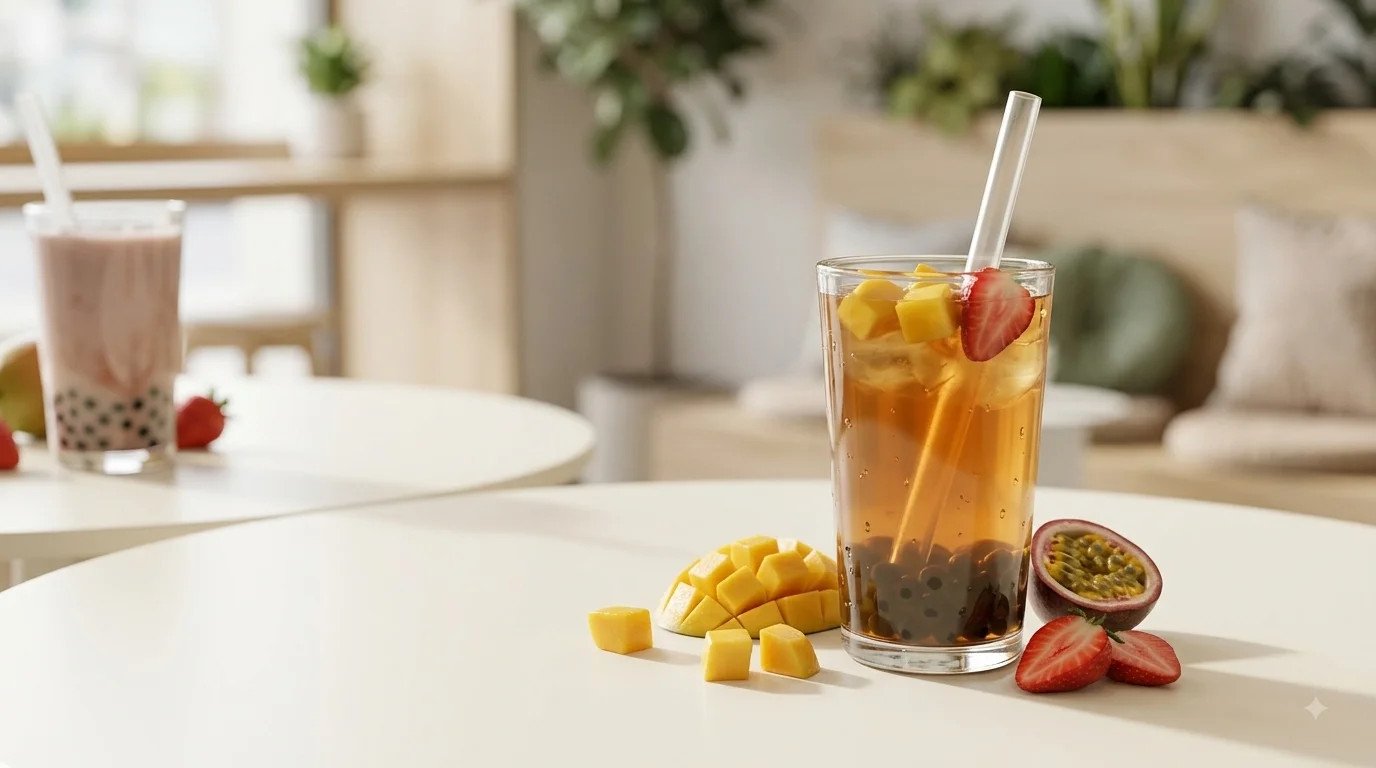
If you have seen the word Babeltee pop up in searches or social posts, you probably have the same questions most people do. What does it mean? Is it just another name for boba? And what would actually be in the cup?
Here is the short answer. Babeltee is an emerging term for a customizable, tea-based drink, usually built from brewed tea, fruit or milk, a sweetener, and sometimes chewy toppings like tapioca pearls. It is not an established drink category with an official recipe, so what you get depends on who is making it.
That may sound vague, but it also explains why the drink is fun to explore. This guide covers what the name seems to mean, how it relates to bubble tea, which flavors work well, and how to make a version at home.
What Does Babeltee Mean?
There is no dictionary entry, tea association, or food standard that defines Babeltee. I could not find an authoritative source that does, so this guide is based on how the term shows up in online searches and how similar drinks are made. If a shop or brand uses the name, always check its menu, because the label alone will not tell you what is inside.
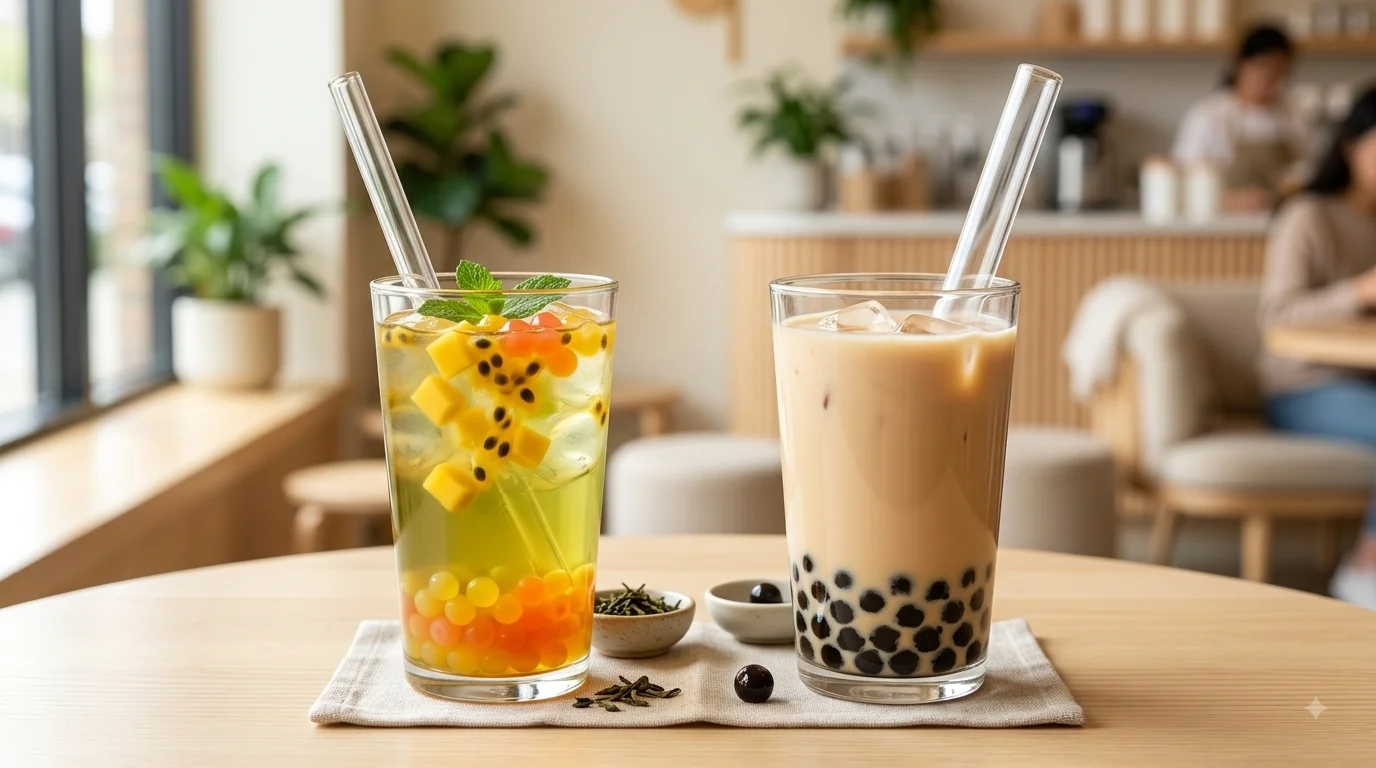
In practice, the name tends to be attached to drinks that sit somewhere between fruit tea and bubble tea. One version might be a light mango green tea with fruit pieces. Another might be a creamy milk tea with brown sugar pearls. Both fit the loose idea of a modern, made-to-order tea drink, which is why it is best understood as a flexible concept rather than a fixed recipe.
You may also Like

Is Babeltee the Same as Bubble Tea?
Not exactly, although the two overlap a lot.
Bubble tea is a well-documented drink that started in Taiwan in the 1980s. It usually combines tea, milk or fruit flavoring, sweetener, and toppings, most famously chewy tapioca pearls. Even its origin story is a good one. Two Taiwanese tea rooms, Chun Shui Tang in Taichung and Hanlin Tea Room in Tainan, each claim to have invented it, in 1988 and 1986 respectively. After years of legal back and forth, a Taiwanese court ruled in 2019 that bubble tea could not be patented, and it did not credit either side.
Babeltee has no comparable paper trail. Its origin is unclear, and its ingredients are not standardized. So a Babeltee can absolutely look like bubble tea, pearls and all, but it does not have to. You could just as easily get a pearl-free fruit tea with a few herbs and call it the same thing. A fair way to put it: some Babeltee is bubble tea, but not all of it needs to be.
One small note on vocabulary, since it trips people up. “Boba” often refers to the chewy pearls themselves, but in the United States people also use it as a nickname for the whole drink. Wikipedia notes the term is common in the US and rare in much of Asia.
Tapioca Pearls, Explained
The pearls most people picture come from tapioca, a starch extracted from the cassava root. On its own, tapioca has a mild, almost neutral flavor. The sweetness comes later, when the pearls are cooked and soaked in sugar or syrup, and the dark color usually comes from brown sugar.
If you have seen the spelling “kapioka” alongside Babeltee, it may be a variant or a transliteration of the same word. Either way, the ingredient people mean is tapioca.
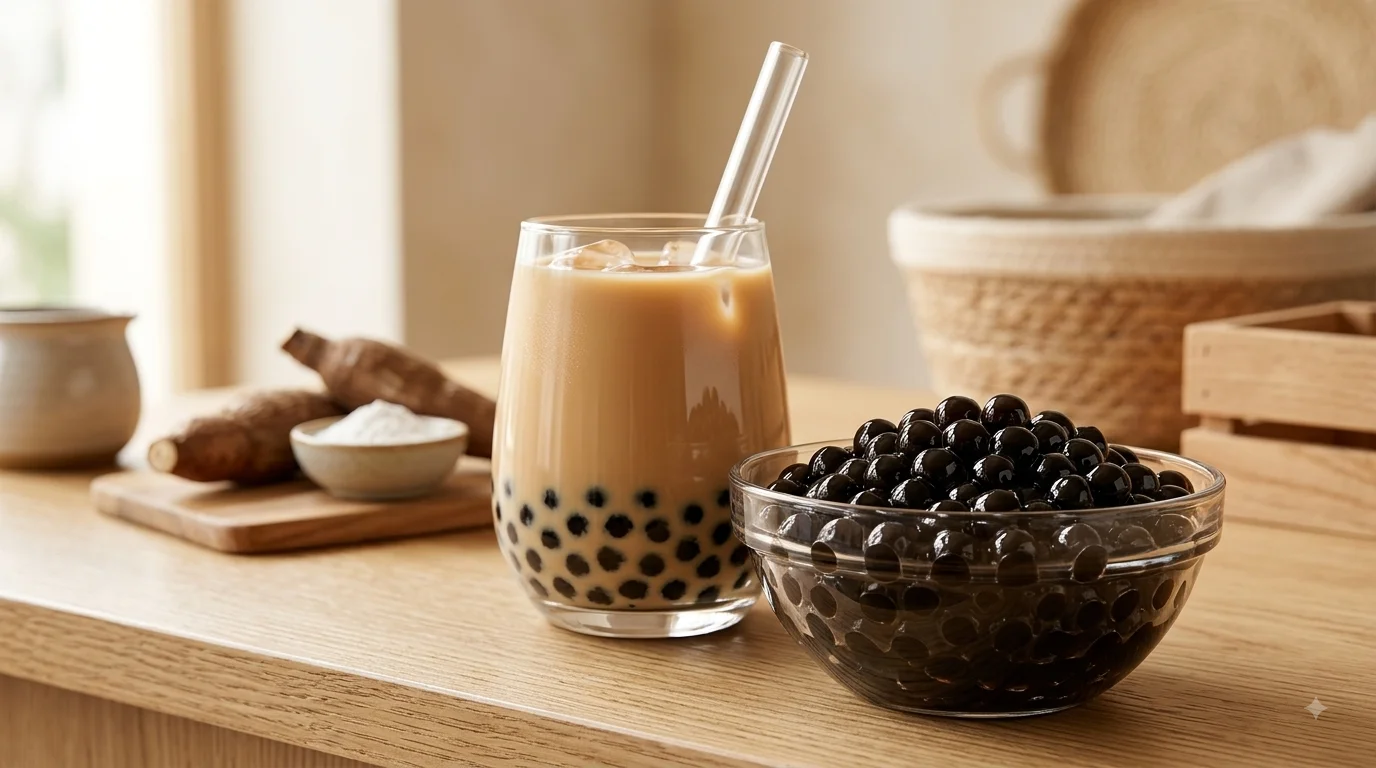
Pearls are not the only option, and this is where a Babeltee can feel very different from a classic boba drink. Popping boba bursts with fruit juice when you bite it. Fruit jelly, coconut jelly, grass jelly, aloe, and pudding all add their own texture. If chewy pearls are not your thing, you can skip them entirely and still have a great drink.
What Does It Taste Like?
There is no single Babeltee flavor, which is honestly the point. A fruit-forward version tastes bright, sweet, and a little tart. A milk-based one tastes rich and creamy. If the tea is the star, you will notice floral, earthy, or slightly bitter notes depending on the leaf.
Toppings change things too. Pearls add chew, popping boba adds a small burst of juice, and jelly adds a soft, slippery bite. Two drinks with the same name can end up tasting almost nothing alike, so it helps to read the ingredients rather than trust the label.
Flavors That Work Well
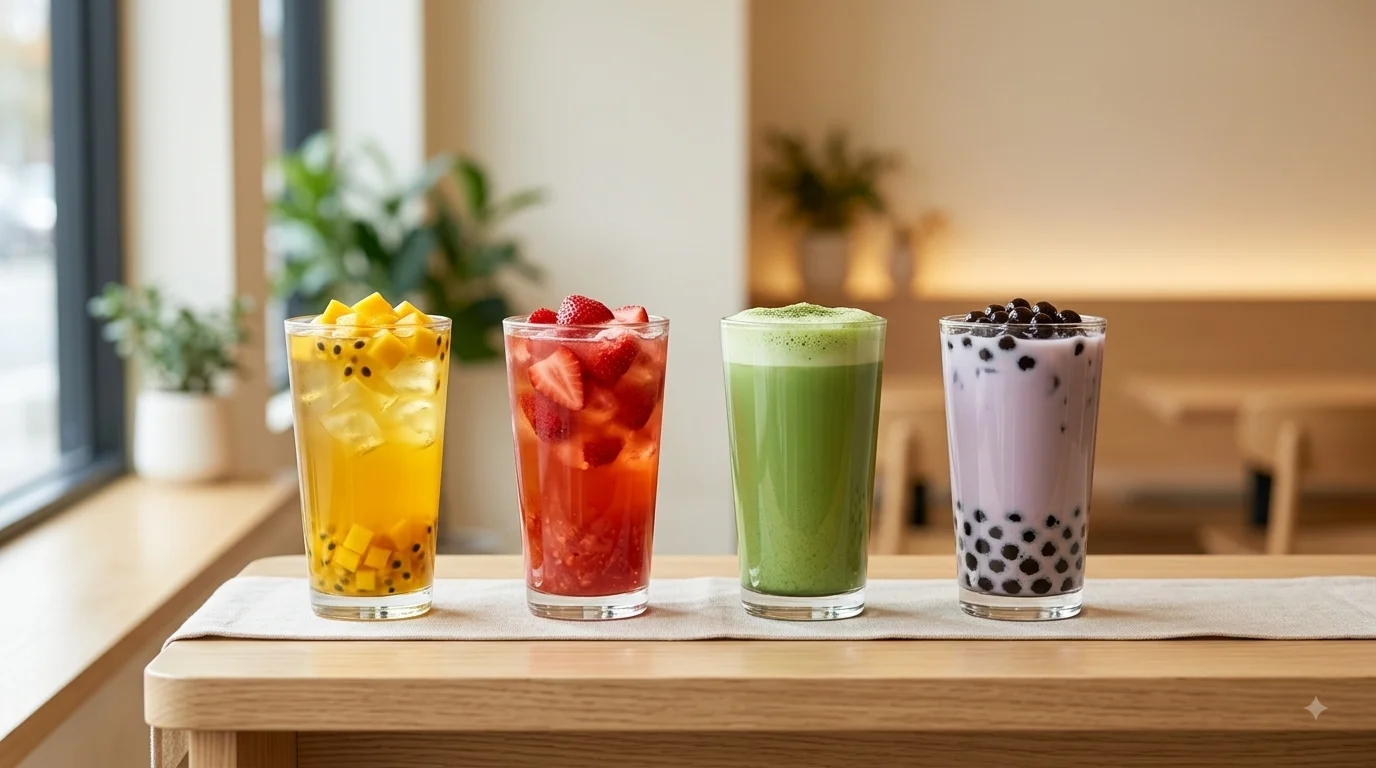
None of these are official Babeltee flavors. They are combinations that already work across bubble tea and specialty tea menus, so they make reliable starting points.
Mango and green tea is the easy crowd-pleaser, tropical and light. Strawberry is friendly for first-timers and works with green tea, fruit tea, or milk. Passion fruit brings a sweet and sour edge that suits iced drinks. Lychee is fragrant and floral, and it shines in a cold, refreshing cup. Matcha gives you an earthy, slightly grassy flavor that pairs well with milk. Taro is gently sweet and creamy, and brown sugar adds deep caramel notes that love company with milk and pearls. Thai tea is stronger and sweeter, usually made with condensed milk.
If you want to see how people actually style and share these drinks, browse the popular Babeltee posts on Instagram for ideas on toppings, colors, and combinations.
Which Tea Should You Use?
The tea base shapes the whole drink, so it is worth choosing on purpose.
Black tea is bold enough to hold up against milk, sugar, and rich toppings, which is why it is the classic choice for creamy drinks. Green tea is lighter and pairs beautifully with fruit like mango, strawberry, and passion fruit. Jasmine tea, which is typically green tea scented with jasmine blossoms, adds a floral aroma and works well when you want something refreshing without much milk. Oolong sits between green and black, and its toasty, aromatic character suits both fruit and milk versions.
Caffeine depends entirely on the base. Any of the teas above will contain some, and matcha does too. If you need to avoid caffeine, look for a herbal or fruit-based version and confirm the ingredients.
How to Make a Babeltee at Home
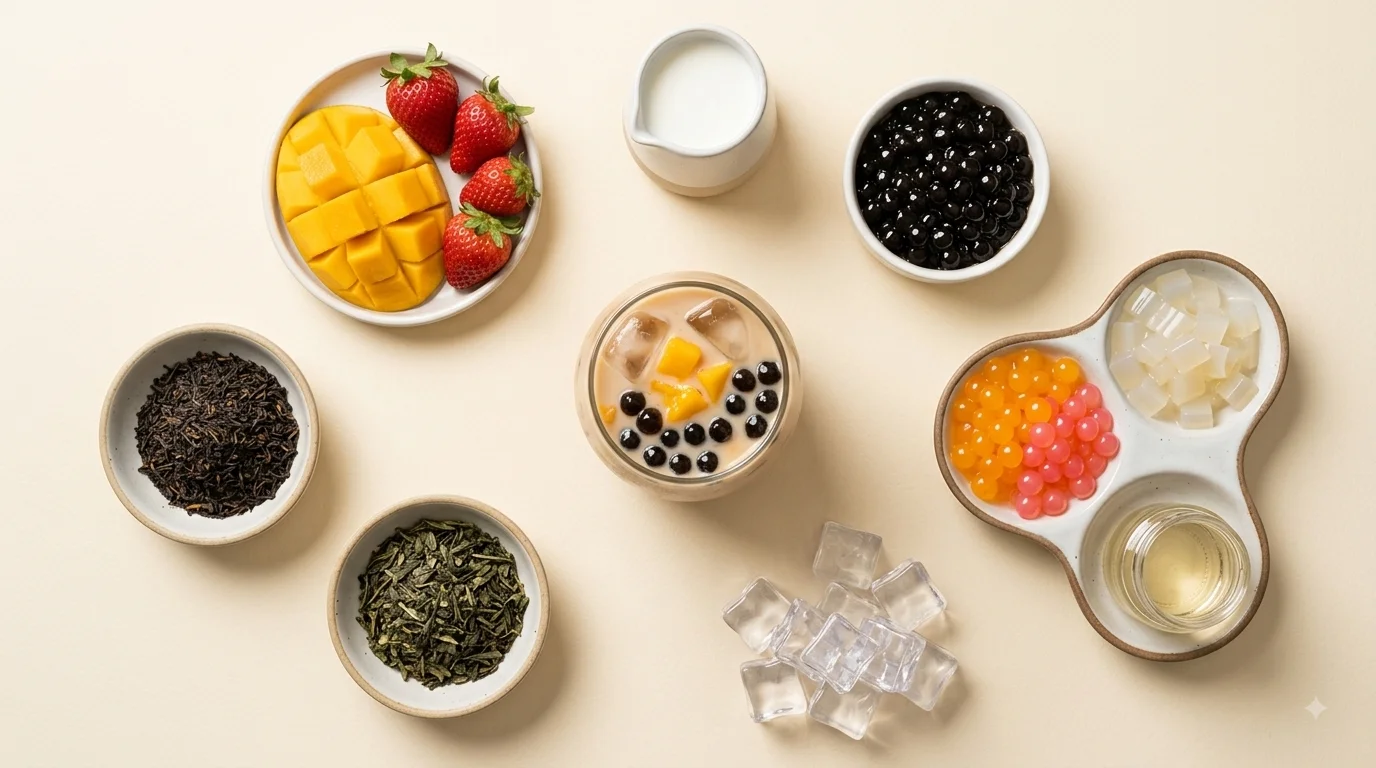
Because there is no official recipe, think of this as a framework you can bend to your taste.
Start by brewing your tea stronger than you would for drinking hot, since ice will dilute it. Black tea generally likes water around 95 to 100°C (203 to 212°F) and a few minutes of steeping. Green tea prefers cooler water, around 80 to 85°C (176 to 185°F), and a shorter steep so it does not turn bitter. Let the tea cool while you prepare everything else.
Next, cook your tapioca pearls if you are using them. Brands differ, so follow the package directions, then soak the cooked pearls in a little sugar syrup so they taste sweet and stay soft. They are best fresh. Bubble tea shops typically do not sell pearls that have sat for more than about a day, because they harden and lose their chew.
Now build the drink. Put the pearls or other toppings at the bottom of a tall glass, add ice, and pour in the cooled tea. Then add your fruit, fruit syrup, or milk, and sweeten to taste. Stir well, grab a wide straw so the toppings can travel up, and taste before adding more sugar. It is much easier to sweeten a drink later than to fix one that is too sweet.
Customizing Your Order
Most modern tea shops let you choose your own ice and sugar levels, and Babeltee works the same way in spirit. Sugar is often offered in steps like 0, 25, 50, 75, or 100 percent, though the exact options vary by shop. You can also mix and match the tea, the fruit or milk, and the topping, which makes it easy to build something for almost any preference, including dairy-free versions made with plant milk or no milk at all.
Is Babeltee Healthy?
It depends on the recipe. Plain brewed tea is very light, but the extras add up quickly. Syrup, milk, creamer, and sweetened pearls can turn a simple tea into something closer to a dessert. Wikipedia’s bubble tea article notes that a serving can be high in sugar and calories, and that the pearls alone can account for up to about half of the calories in a large cup.
If you want to enjoy it more often without overdoing it, small choices help. Ask for less sugar, pick a smaller size, go easy on stacking sweet toppings, and choose fresh fruit when it is available. If you have allergies or dietary needs, check whether the drink contains dairy, nuts, or caffeine before you order.
What to Order the First Time
If you are new to this style of drink, start with something familiar. A mango or passion fruit green tea with light sweetness is refreshing and easy. If you like creamy drinks, a classic milk tea with pearls is a safe bet. For something richer, try brown sugar milk tea. And if chewy textures are not for you, ask for popping boba or fruit jelly instead.
Frequently Asked Questions
What is Babeltee?
Babeltee is an emerging term for customizable tea drinks. Depending on the recipe, it may include brewed tea, fruit, milk, sweetener, and toppings such as tapioca pearls or popping boba.
What does Babeltee mean?
There is no official definition. The name is generally linked online to modern, fruit-forward, and bubble-tea-style drinks.
Is Babeltee the same as bubble tea?
Not necessarily. The two overlap, but bubble tea is an established Taiwanese drink with a documented history, while Babeltee is a looser, newer term.
Does Babeltee have tapioca pearls?
It can, but it does not have to. Some versions use popping boba, jelly, fruit, or no topping at all.
Does Babeltee have caffeine?
Usually, if it is made with black, green, jasmine, oolong, or matcha. Herbal or fruit-only versions may be caffeine-free, so check the ingredients.
Can I make Babeltee without milk?
Yes. Fruit tea versions work well with just tea, fruit, sweetener, and ice.
Final Thoughts
Babeltee is still a young and loosely defined term, and that is part of its charm. Think of it as a customizable tea drink that borrows freely from fruit tea and bubble tea, rather than a strict category with rules. If you are curious, pick a tea you like, add a flavor you already enjoy, choose your sweetness, and decide whether you want pearls or something else on the bottom. Once you know what you like, you will have a much better idea of what “Babeltee” means to you.
