










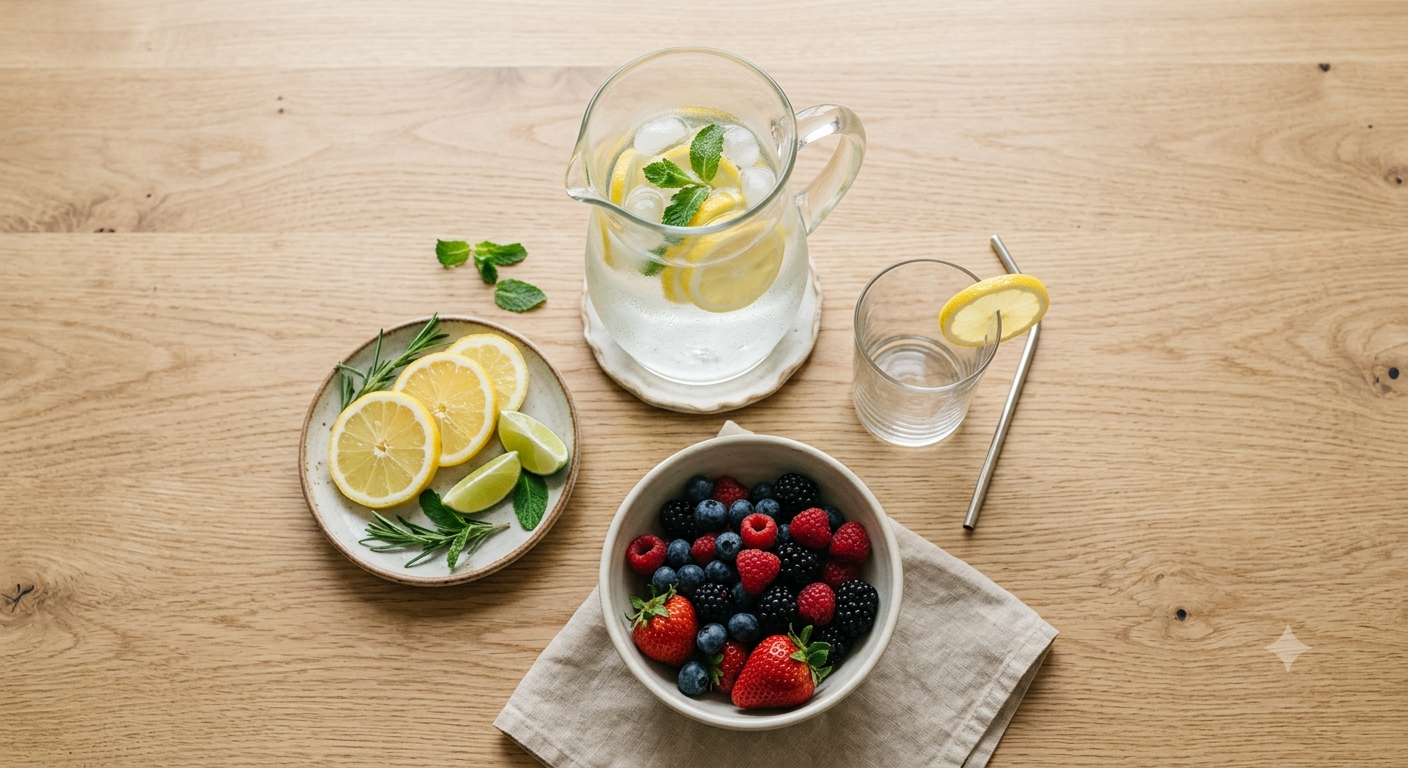
There’s a certain feeling that sends people searching for a cleanse. Maybe it’s waking up groggy for the third day in a row, or looking back at a stretch of takeout containers and wine glasses and wanting a reset button. Whatever the trigger, the idea of a total body cleanse promises something simple: a few days of doing things right, and coming out the other side lighter, clearer, and more in control.
Before you commit five days to it, it helps to know what a cleanse actually does, what it doesn’t, and what to expect along the way. That’s what this guide walks through.
What Does It Mean to Cleanse Your Whole Body?
When people talk about wanting to cleanse whole body systems at once, they usually mean cutting out the things that feel like they’re weighing them down, processed food, alcohol, excess sugar, caffeine, and replacing that window with water, whole foods, and rest. It’s less a medical procedure and more a structured reset for your habits.
A total body cleanse typically includes some combination of:
- Increased water intake
- Whole, unprocessed foods (usually plant-heavy)
- Cutting out alcohol, added sugar, and sometimes caffeine
- More sleep and lighter physical activity
- Occasionally, specific tools like dry brushing, saunas, or herbal teas
None of these are exotic. What makes a cleanse feel different from just “eating better for a few days” is the structure. Having a defined start and end point, usually five, seven, or ten days, gives people something concrete to commit to, which is often the real reason cleanses work as well as they do.
When Does a Cleanse Actually Make Sense?
Most people don’t wake up one random Tuesday and decide to cleanse. It’s usually tied to a specific stretch of time behind them. A run of travel where meals were whatever was available at the airport. A holiday season that turned into six weeks of dessert and champagne. A few months of stress-eating through a hard project at work. In those cases, a cleanse isn’t really about toxins at all, it’s a way of drawing a line and starting fresh after a period where your usual habits slipped.
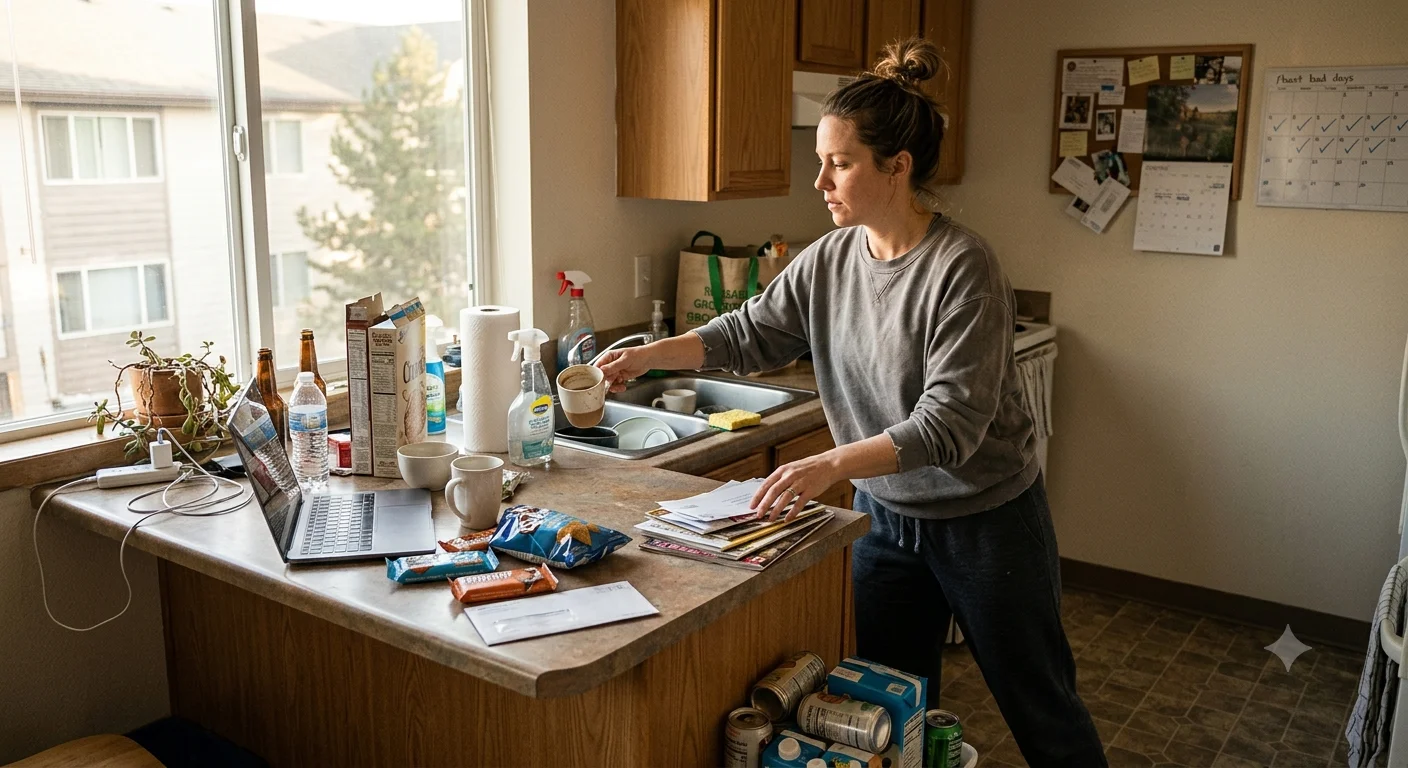
It can also make sense heading into something, not just coming out of something. Some people use a five day reset before a big event, a trip, or the start of a new fitness routine, less because their body needs preparing and more because it puts them in the right headspace going in. If either of those situations sounds familiar, a cleanse is less about fixing something broken and more about resetting a pattern that’s drifted.
Does Your Body Actually Need Help Detoxing?
This is worth addressing directly, because a lot of cleanse marketing implies your organs can’t do their job without a boost.
In reality, your liver, kidneys, lungs, and skin already filter and remove waste and toxins around the clock. There’s no juice, tea, or bath soak that dramatically speeds up how your liver processes substances. What a cleanse period actually does is remove the burden you’re placing on those systems, less alcohol to process, less sugar to manage, less inflammatory food to digest, and give your body room to do what it already does well.
Framed that way, a cleanse isn’t about extracting toxins that would otherwise sit in your system forever. It’s about temporarily lightening the load so you feel the difference. That distinction matters, because it also means a cleanse isn’t a substitute for medical treatment, and if you have an existing health condition, it’s worth checking with a doctor before making significant changes to your diet or routine.
This is also why the phrase “cleanse” tends to be a better fit than “detox” for what’s actually happening. Detox implies pulling something harmful out. Cleanse is closer to the truth: clearing out the clutter in your habits so the systems that were always working in the background have less to deal with.
Common Detox Symptoms to Expect

Ask ten different sites about body cleanse symptoms or body cleansing detox symptoms and you’ll get ten slightly different answers. Here’s what’s actually going on in your body during those first few days.
Headaches. Usually tied to caffeine withdrawal or a drop in sugar intake. These tend to peak around day two and ease up after that.
Fatigue. Your body is adjusting to a change in fuel source and often a change in sleep patterns too. This is typically most noticeable early on.
Irritability or mood swings. Cutting sugar and caffeine at the same time can make the first couple of days feel rougher emotionally than expected.
Digestive changes. More fiber and water intake can mean more frequent bathroom trips, and occasionally some bloating as your gut adjusts to a different mix of foods.
Skin changes. Some people notice minor breakouts in the first few days as their diet shifts, followed by clearer skin later in the cleanse as hydration and nutrient intake improve.
Most of these symptoms are short-lived and connected to withdrawal from caffeine, sugar, or alcohol rather than anything dramatic happening internally. If symptoms are severe, or you feel unwell rather than just uncomfortable, that’s a sign to stop and check in with a doctor rather than push through.
What Comes Out of Your Body When You Detox
The honest answer is less dramatic than a lot of cleanse products suggest. What comes out of your body when you detox is largely just what normally leaves your body anyway, water, waste through digestion, and byproducts your liver and kidneys were already filtering out.
What changes during a cleanse isn’t the mechanism, it’s the input. Less sugar and alcohol means less strain on your liver. More water and fiber means more efficient digestion and regular bowel movements. More sleep means your body has more time and energy to focus on repair processes it runs anyway. You’re not pulling some hidden reservoir of toxins out of your tissues in five days. You’re giving your existing systems better conditions to work in.
A Simple 5 Day Cleanse Plan
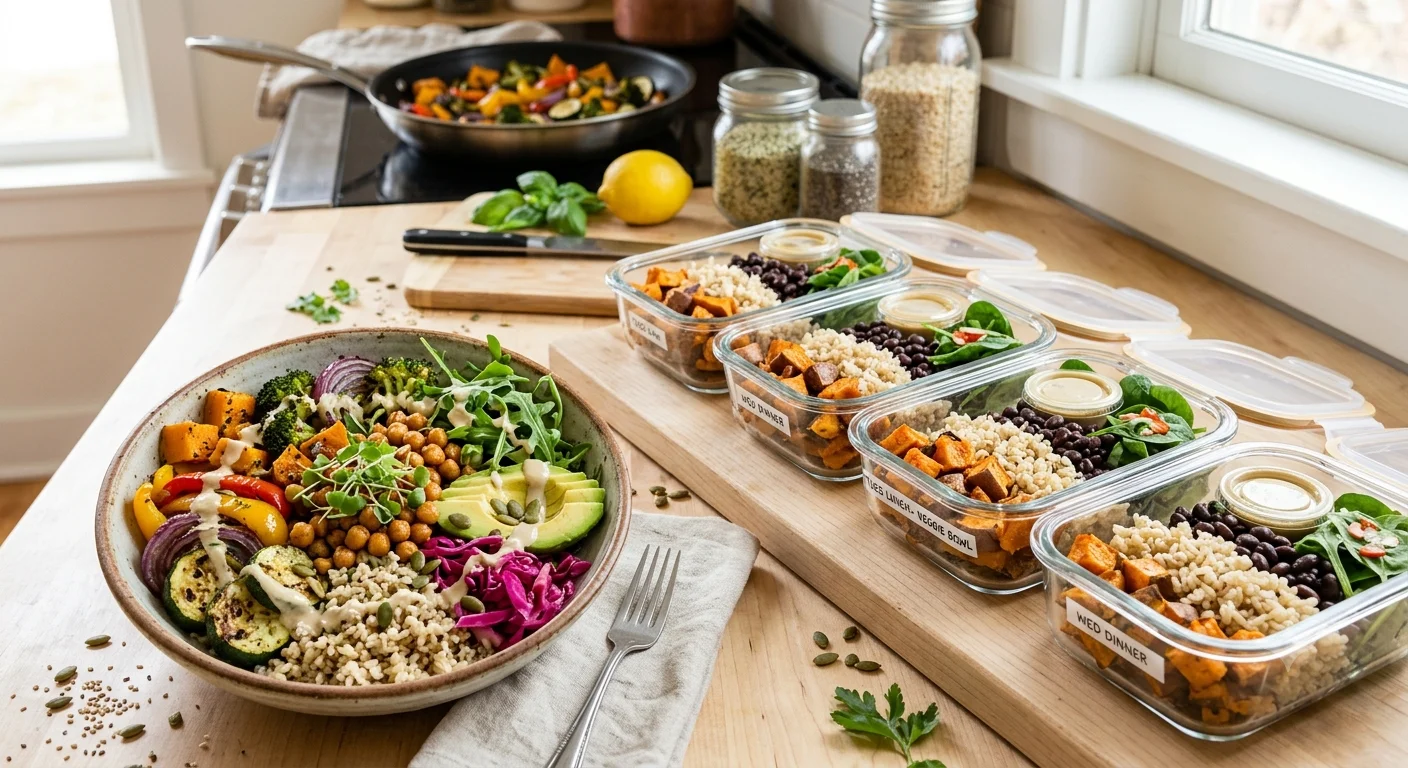
If you’re ready to try it, here’s a straightforward 5 day body cleanse structure. It’s intentionally simple, since the goal is sustainability over five days, not extreme restriction.
Day 1: Cut and Hydrate Remove alcohol, added sugar, and processed food. Focus on hydration, aim for consistent water intake throughout the day. Meals should center on vegetables, lean protein, and whole grains. A simple starting point: eggs and greens for breakfast, a big salad with grilled chicken for lunch, and roasted vegetables with salmon or a plant-based protein for dinner.
Day 2: Add Movement Keep the same eating pattern and add light movement, a walk, gentle yoga, or stretching. This is usually the day fatigue or headaches peak, so keep activity easy rather than intense. Oatmeal with fruit works well in the morning since it’s gentle on a system that’s still adjusting, followed by a vegetable soup or grain bowl for lunch and dinner.
Day 3: Increase Plants Push your plant intake higher, aim for a wide range of colors across your meals. Fiber-rich vegetables and fruit support digestion, which is often where people start noticing a difference. Try a smoothie loaded with greens and berries to start the day, then build lunch and dinner around at least three different vegetables each, alongside a lean protein source.
Day 4: Prioritize Sleep Keep the diet consistent and shift focus to sleep quality. Aim for a full night’s rest and consider winding down without screens for the last hour before bed. Meals can stay similar to the previous two days, though a warm dinner like a vegetable stew tends to help signal to your body that it’s time to slow down for the evening.
Day 5: Reflect and Reintroduce By day five, most people feel more clear-headed and less bloated. Use this day to notice how you feel, and start thinking about which habits from the past five days are worth keeping rather than dropping the moment the cleanse ends. Keep meals close to what’s worked over the past four days rather than treating today as a reward day, that transition is worth saving for after the cleanse officially wraps up.
What to Skip While You Cleanse
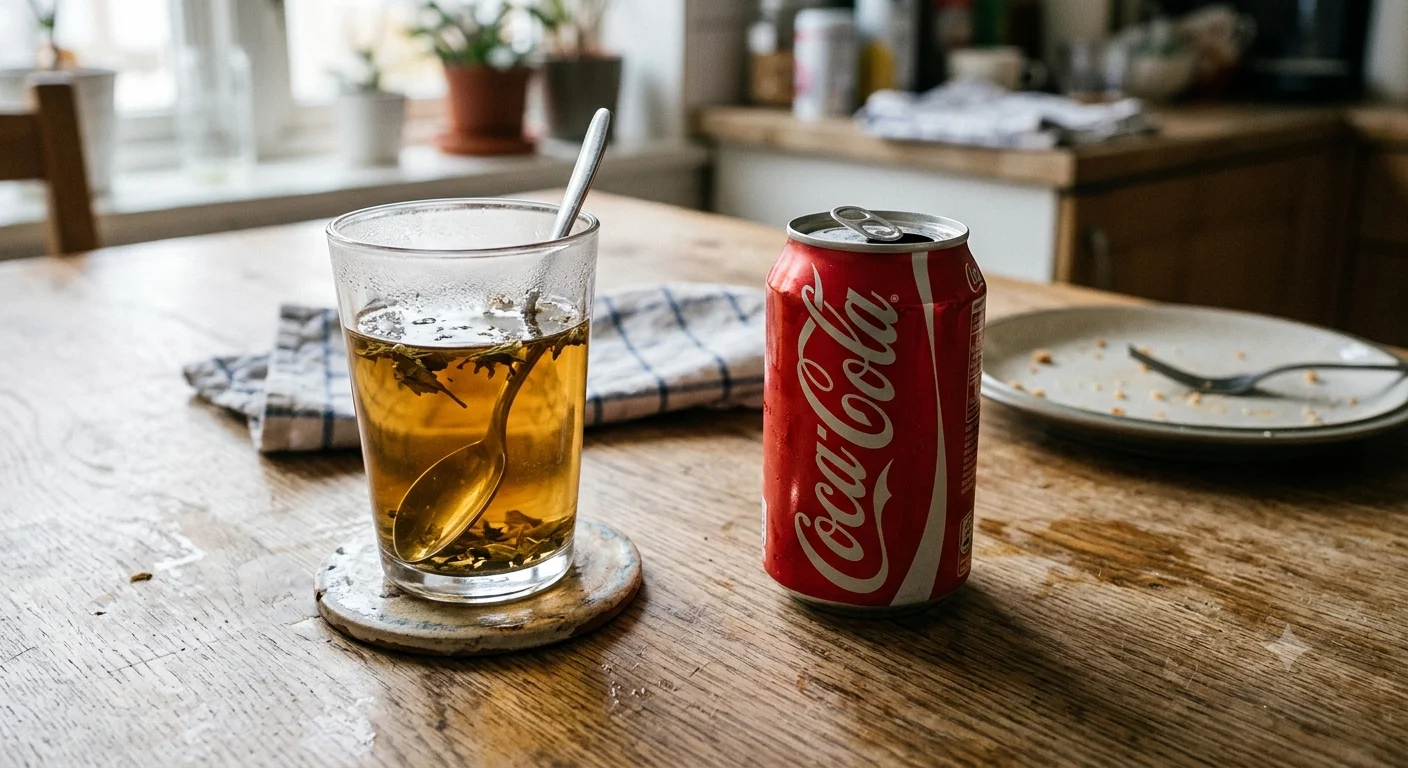
A cleanse works best when what you’re avoiding is just as clear as what you’re adding in. A few categories worth setting aside for the five days:
- Alcohol. Even moderate drinking adds a load to your liver that works against the point of the cleanse.
- Ultra-processed snacks. Chips, packaged baked goods, and anything with a long ingredient list tend to be high in the sugar and additives you’re trying to cut back on.
- Sugary drinks. Soda, sweetened coffee drinks, and most bottled juices are worth swapping for water, herbal tea, or plain sparkling water.
- Fried food. Not because frying is inherently harmful, but because it’s usually paired with the kind of heavy, processed meals that don’t fit the reset.
- Artificial sweeteners. Some people find these keep sugar cravings active even without the sugar itself, which can make the first couple of days harder than they need to be.
None of this needs to be permanent. It’s a five day window, not a new set of rules for life.
Tips for a Safe and Effective Cleanse
- Don’t restrict calories dramatically. This isn’t a fast, it’s a shift in what you’re eating, not how much.
- Keep protein in your meals. Skipping it tends to make fatigue and irritability worse.
- Expect the first two days to be the hardest. Most people report feeling noticeably better by day three or four.
- If you take medication or have a chronic health condition, talk to your doctor before starting, especially if the cleanse involves cutting out major food groups or using supplements.
- Treat the end of the cleanse as a transition, not a finish line. Reintroducing coffee, sugar, or alcohol all at once tends to undo the parts that felt good.
Frequently Asked Questions
How long should a total body cleanse last? Five days is enough time to notice a difference in energy, digestion, and sleep for most people, without the added difficulty of longer restrictive periods.
Will I lose weight during a cleanse? Some people notice the scale move, largely from reduced bloating and water retention rather than fat loss. It’s not designed as a weight loss program.
Is it normal to feel worse before feeling better? Yes. Headaches, fatigue, and irritability in the first one to two days are common and usually connected to caffeine and sugar withdrawal rather than anything concerning.
Can I exercise during a cleanse? Light movement is fine and often helpful. Save intense workouts for after the cleanse, since your energy intake is lower than usual.
Do I need special products to do a cleanse? No. Teas, powders, and cleanse kits are optional at best. The actual mechanics of a cleanse, more water, whole food, less alcohol and sugar, don’t require anything you can’t find in a regular grocery store.
What should I eat right after the cleanse ends? Ease back in rather than going straight to whatever you cut out. Reintroduce coffee, sugar, or alcohol one at a time over the following few days instead of all at once, so you can actually notice how each one affects you and decide what’s worth keeping in your routine going forward.
A cleanse isn’t a cure or a shortcut, and it was never going to undo months of habits in five days. What it offers instead is a structured window: a chance to notice how your body responds when you take some of the usual noise away, and a short enough commitment that it’s realistic to actually finish. The five days end. What sticks afterward, a little more water, a little less late-night snacking, one fewer glass of wine during the week, is really the point of doing it in the first place.
